 -
-  -
-  -
-  -
-  -
- 
PCM Energy P. Ltd

We have several Associated Units
ISO-9001 Certificate
"REACH" registered
General Products - AC Backup Phase Change Material - Encapsulation Method of PCM Phase Change Material Manufacturers - Telecom Shelters Phase Change Material - Doctor Says - Phase Change Material Air Conditioner at 21C or 29C
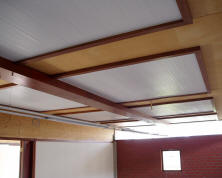
Natural Air condition with PCM in Ceiling.
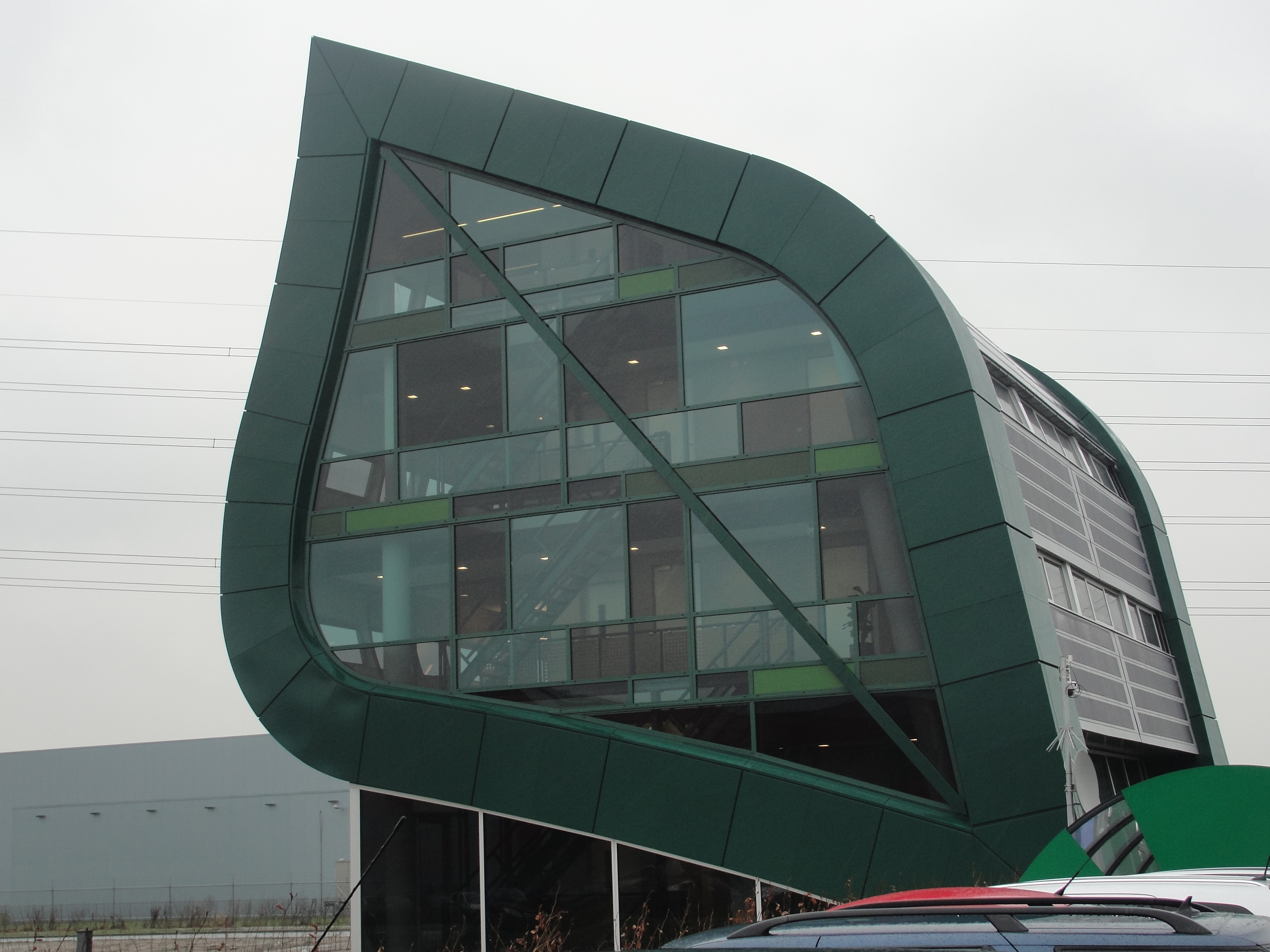
Phase Change Material Cooled AC Office building in Netherlands with PCM in walls.
Phase Change Material for Air Condition & Cold Storage PCM Manufacturers
Phase Change Materials (PCMs) are "latent" thermal storage materials. They use chemical bonds to store and release heat. The thermal energy transfer occurs when a material changes from a solid to a liquid or from a liquid to a solid form. This is called a change in state or "phase." Initially, these solid-liquid PCMs perform like conventional storage materials; their temperature rises as they absorb solar heat. Unlike conventional heat storage materials, when PCMs reach the temperature at which they change phase (their melting point), they absorb large amounts of heat without getting hotter. When the ambient temperature in the space around the PCM material drops, the Phase Change Material solidifies, releasing its stored latent heat. PCMs absorb and emit heat while maintaining a nearly constant temperature. Within the human comfort and electronic-equipment tolerance range of 20°C to 35°C, latent thermal storage materials are very effective. The main applications for Phase Change Materials PCMs are when space restrictions limit larger thermal storage units in direct gain or sunspace passive solar systems. PCMs may be used in Thermal Enclosures like Telecom Chambers BTS or BT Shelters or solar domestic hot water heating or passive solar space heating/cooling systems. They are also useful for equalization of day & night temperature and for transport of refrigerated products.
Glauber's salt, Soda ash, Sodium Acetate and paraffin wax are the most commonly used Phase Change Materials in solar heating systems. Although these compounds are fairly inexpensive, the packaging and processing necessary to get acceptable performance from them is complicated and costly. They are not offering a reliable pattern of releasing heat as the chemicals in these PCMs separate and stratify when in their liquid state. These PCMs have not always re-solidified properly. When temperatures dropped, they did not completely solidify, reducing their capacity to store latent heat. These problems have been addressed by packaging phase change materials in thin or shallow containers and by adding clumping agents. Many salt hydrate Phase Change Materials have the disadvantage that during extraction of stored heat the material super-cools before freezing. This reduces the utility of the materials and if too severe, it can completely prevent heat recovery. They lose their heat storage property after some cycles. These types of PCMs, however, compare unfavorably with the newer generation of low-cost, highly efficient PCMs. Researchers now label these older compounds as "limited utility" PCMs. Phase Change Materials perform best in containers that have a depth of one inch (25.4 millimeters). However, our T-Series Latest™ PCMs have defied this restriction. The packaging material should conduct heat well; and it should be durable enough to withstand frequent changes in the storage material's volume as phase changes occur. It should also restrict the passage of water through the walls, so the materials will not dry out. Packaging must also resist leakage and corrosion. Aluminum, steel and polyethylene are common packaging materials.
We cannot help making a negative comment on the products offered by other brands. Most of the brands are offering Thermal-Salt 29 that freezes at less than 18oC, making them practically useless in tropical regions. The shelf life of some of the vendors is hardly 45-60 day, making its use by long distance importers almost impractical. Most of such vendors are not manufacturer of the major ingredients but only compounders. Often, they are e-man-show manufacturers and quote fancy prices for the product. With the information technology to their aid, they make fancy web sites and manage to squeeze the buyers. We have six manufacturing units, owned and managed by family members and most of the ingredients are manufactured by us.
Phase Change Materials, PCMs Used in Air Conditioning
Latest 29T: Phase Change Material, PCM Latest TM Brand with Melting Point 29°C and Latent Heat of fusion 175 KJoule/Kg or 255 KJoule/liter. It is best suited for Air-Condition Back-up to BT Shelter or Telecom Shelter. It is also a good alternative to bear with when temperature changes from 15°C at night and rises to 40°C in the day. This will act as a heater at night and a cooler in the day.
Latest 22T: Phase Change Material, PCM Latest TM Brand with Melting Point 22°C and Latent Heat of fusion >175KJoule/Kg or 255 KJoule/liter). It is best suited for Free Air-Conditioning in an area where day and night temperature difference permits it. The material can be placed in an external heat exchanger or in the false ceiling and/or partition walls.
Back-up Air-conditioning with Latest™29T PCM
Power Failure is very common in developing countries. The following write up is talking about Air Condition in Telecom Shelters, though it is applicable to any other shelter like site office or Polymer wall-paneled room. It can easily provide human-comfort level, almost through out the day.
Most BT Shelters or Telecom Shelter or Electronic Enclosures Chambers are equipped with Electronic Equipments and Battery for emitting proper signal to the cell-phone users. The Telecom Shelter or BTS is Air conditioned AC. When the power fails, the temperature inside the BTS start rising very rapidly due to heat generated by the equipments and also due to ambient conditions. Diesel Generators are provided to give Air conditioned AC back up. However they are largely depended on the alertness of the watchman cum operator at the site. The contractors often delay in sending diesel aggravating the problem. To minimize the dependence on generators, Back-up air-conditioning may be provided by PCM. Latest™ 29T is used in India for giving back-up to Air-Condition. 240kg of Latest™29T is generally used per BTS. 240kg*175 J/kg 42000 K Joules of backup. This is equal to 42000/3600 = 11.6 KWH of energy (Theoretical Latent Heat of Latest™29T is 188 KJ/Kg i.e. 12.5 KWH of Energy).
In case of inhabited rooms or offices human comfort level can be achieved by using an External Heat-Exchanger with an inverter switched fan or by using Phase Change Material in wall-panels and ceiling.
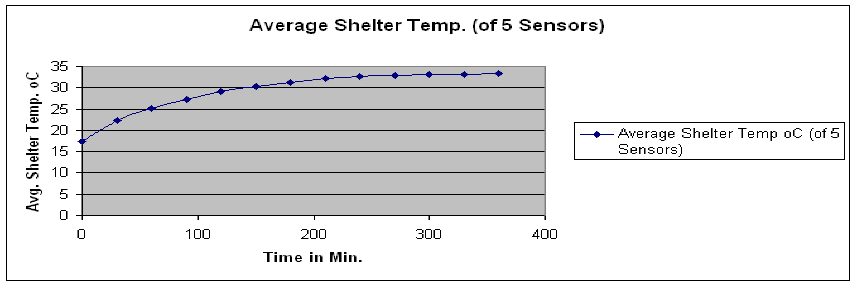
Live-Site Trial in a Telecom Shelter after Retro-fitting it with 210 Kg of PCM Latest29T (10 KWH back-up)
210 Kg of Latest29T PCM (10KWH) filled profiles were installed in an Existing Telecom Shelter of 2m Length by 2.5m width by 2.7m Height. Five thermometers were installed to measure temperature at various points. The Air-condition was switched off when the temperature was 17.3°C. Ambient temperature was also measured. The battery voltage was observed as per the instruction of the site-officer. The permissible maximum temperature that can be reached was targeted to 35°C. This temperature was not reached in 6 Hours of the run. In a blank reading with-out Latest29T PCM the target maximum temperature crossed in less than 1 hour.
Important Record.
Minutes after Power Shutdown - 0min - 030m - 060m - 120m - 180m - 210m - 270m - 300m - 330m - 360m
Average Temp°C (of 5 Sensors)- 17.3 - 22.4 - 25.2 - 29.1 - 31.3 - 32.1 - 32.8 - 33.1 - 33.2 - 33.3
Other Relevant Record
Outside Temp°C --------------- 26.5 - 28.0 - 29.5 - 31.0 - 33.0 - 33.0 - 30.0 - 28.5 - 28.0 - 26.7
Battery Voltage -------------- 25.18- 24.99- 24.98- 24.65- 24.45- 24.21- 23.89- 23.61- 23.45- 22.94
Shelter Temp Centre Top °C --- 17.5 - 23.1 - 25.8 - 29.5 - 31.0 - 31.7 - 33.5 - 33.5 - 34.0 - 34.1
Permissible limit of Trial was up to Shelter Temperature of 35°C. The Trial was discontinued as the Battery Voltage went low.
The PCM could have lasted for 1-2 Hours more, if the Battery Voltage had not dropped.
 Pl click to enlarge
| PCM Energy P. Ltd | PCM Latest™ |
| Product | Latest™29T also any other grade like Latest™18T, Latest™20T, Latest™22T, Latest™25T |
| Series | T-series Latest™ |
| Description | Viscous Semi-Solid near Phase Change Temperature |
| Appearance | Translucent |
| Base Material | Inorganic Salts |
| Phase Change Temperature | 28-30°C |
| Sub Cooling | 2°C max |
| Specific Gravity | 1.48-1.50 |
| Latent Heat Practically | 175 Joules/g |
| Latent Heat Theoretical | 188 Joules/g |
| Spec. Heat | 2 Joules/g°C |
| Thermal Conductivity | 1Watt/m °C |
| Congruent Melting | Yes |
| Flammability | No |
| Hazardous | No |
| Thermal Stability | > 10000 cycles |
| Max. Operating Temperature | 100°C |
| Rates | Available on request |
T-series is the Latest in PCM technology, Generation-X. It is not degradable with time. It can be used in thicker layers greater than 1” (>25mm). This product has made the earlier PCMs obsolete.
Latest™ 25T, Latest™ 20T, Latest™ 18T salts are similar to Latest™ 29T
Phase Change Materials perform best in containers that—when combined with the PCM—total one inch (25.4 millimeters). However, our T-Series Latest™ PCMs have defied this restriction. T-series is the Latest in PCM technology, Generation-X. It is not degradable with time. It can be used in thicker layers greater than 1” (> 25mm). This product has made the earlier PCMs obsolete.
Table of Cycle No. V/s Latent Heat & Sub Cooling for PCM Latest™29T| Cycle No. | Latent Heat KJ/Kg & Sub-cooling in C |
| 100 | LH 196 KJ/Kg & Sub-cool 0.5C |
| 200 | LH 188 KJ/Kg & Sub-cool 1C |
| 300 | LH 188 KJ/Kg & Sub-cool 0.9C |
| 400 | LH 192 KJ/Kg & Subcool 0.8C |
| 500 | LH 185 KJ/Kg & Sub-cool 0.7C |
| 1000 | LH 178 KJ/Kg & Sub-cool 1C |
| 1500 | LH 172 KJ/Kg & Sub-cool 1.3C |
| 2000 | LH 175 KJ/Kg & Sub-cool 1.2C |
| 2500 | LH 178 KJ/Kg & Sub-cool 1.3C |
| 3000 | LH 170 KJ/Kg & Subcool 1.4C |
The Error in measurement of Latent Heat can be up to 5% and The Thermometer Sensor can be off by 0.5°C<a name=Latest29></a>
Thermal Salt Latest™29T
Our Thermal Salt Latest™29T is a mixture of several ingredients. Most of these items are manufactured by us or by our sister concerns. Its properties are as under:
Specific Gravity: 1.5
Freezing Point: 28°C
Melting Point: 29°C
Latent Heat of Fusion : >175 KJoule/Kg (40 K. Cal/Kg). 255 KJ/ltr (60000 KCal/Cu.m)
*Most manufacturers report the heat of fusion in a temperature range, like 20°C to 35°C. The specific heat of PCM in this range will get added to the values. For this temperature range
*Latent Heat of Fusion: 210 KJoule/Kg (50 K. Cal/Kg).
Shelf Life: Infinite br>
Max. Operating Temp.: 100°C

For Advanced Users: Most PCM users are at the elementary stage of using the Phase Change Materials PCMs. They are ordinarily not conditioned to talk of any deviations from the systems, they have heard of. Using PCM-29 itself is more than adequate mental kick for them. Some vendors manage to convince them that the use of PCMs will save energy charges for them. The primary purpose of the PCMs is to provide a back-up to Air Condition AC and avoid the use of Diesel Generator. The site managers and the watch-man cum operator of the site may not be sufficiently professional. They often fail to keep the diesel at site and restore to "Keep the Door Open for Cooling" ways to cut corners. The relevance of Phase Change Materials PCMs is more, if the power failure is a norm in the area of usage. We have a Brain-Wave. Instead of giving 4-6 hours of Back-up, why not give 12-18 hours of Back-up and eliminate the Diesel Generator???!!! This will of course need a better battery capacity.

In a remote area a site was running on diesel generator and there was no electricity in the region. On receiving an enquiry for installing Phase Change Material PCM in the BT Shelter, we had the impulse of telling them that PCM will be of no use to them. One of their junior engineer was very bright and he discussed the details with our senior scientist. He summarized that their diesel generator is installed for working in the extreme conditions of weather and telecom traffic. the generator works on full load, irrespective of the traffic and weather. If PCM back-up is installed, then it will reduce their diesel cost by 50% and hence he ordered for installing the PCM back-up. To the good luck of the junior engineer his theory did work.
Free Cooling for a Hall in Bangalore with Latest™21T
PROPOSAL FOR FREE AIR CONDITIONING OF HALL FOR 1000 HOURS/YEAR
| Preliminary/Concept Presentation for Data Exchange and Technical Interaction. | |
| Data Offered by the User: | |
| Air Condition Load is 932 Tons of Refrigeration. | 932 Tons AC |
| Carpet Area of the Hall is 200000 sq ft. | 200000 Sq. ft |
| Comfort Level is 25°C. [Phase Change Material (PCM) to start Melting at 24°C] | 24°C |
| No. of people is 1800 | 1800 People |
| Fan use is permitted |
I. Weather Information on Bangalore
Month -- Mean Temperature°C -- Remarks
----- -- Minimum - Maximum- --
Jan## -- 15.1 -- - 27.0 --- -- 22-23°C can be maintained all the time
Feb## -- 16.6 ---- 29.6 --- -- 22-23°C can be maintained all the time
Mar## -- 19.2 ---- 32.4 --- -- 22-23°C can be maintained for a few hours
Apr## -- 21.5 ---- 33.6 --- -- 22-23°C can be maintained for a few hours
May## -- 21.2 ---- 32.7 --- -- 22-23°C can be maintained for a few hours
Jun## -- 19.9 ---- 29.2 --- -- 22-23°C can be maintained for a few hours
Jul## -- 19.5 ---- 27.5 --- -- 22-23°C can be maintained for a few hours
Aug## -- 19.4 ---- 27.4 --- -- 22-23°C can be maintained for a few hours
Sep## -- 19.3 ---- 28.0 --- -- 22-23°C can be maintained for a few hours
Oct## -- 19.1 ---- 27.7 --- -- 22-23°C can be maintained for a few hours
Nov## -- 17.2 ---- 26.6 --- -- 22-23°C can be maintained all the time
Dec## -- 15.6 ---- 25.9 --- -- 22-23°C can be maintained all the time
The above details are the mean maximum and minimum temperatures in Bangalore. The information is available from World Weather Information Service, India Meteorological Department. From the above information, it appears that for more than 100days, PCM Melting at 20°C is workable. In April, May and June, free-cooling can not be made available. PCM Melting at 20°C will easily give comfortable temperature during day time for rest of the months. If we target 24°C as hall-temperature, the PCM will be workable throughout the year.
Green House of 16°C Target min. Temperature Calculation:
Data offered by the User:
Night: Ambient Night Temperature is 11C for 12 hours
Target Temperature at Night is 16°C for 12 hours
Day: Ambient Day Temperature is 18°C for 12 hours
Daytime Hot Water available at 20-22C for 12 hours
Load as estimated by the user: 0.19 KW per Sq. m.
Desired Night Temp (12 hours): 16°C
Calculations based on data listed above:
1. We suggest using LatestTM18T having Melting Point of 18°C offering 175 K Joule/Kg Latent Heat.
2. Quantity of PCM required per square meter of green house:
Q (Heat Load) = 0.19 KW
Time = 12 hours = 43200 seconds
Heat load in KJ/Sq. m = 0.19*43200 = 8208 ~ 8200 KJ/Sq. m
Each Kg of PCM will release 175 KJ of Latent Heat at 18°C.
Quantity of PCM required per Sq. m green house = 8200/175 = 46.9 Kg/Sq. m. ~ 50 Kg/Sq. m
3. Recharging of PCM during 12 hours of daytime.
By Ambient Air: The PCM can get totally recharged if the Daytime temperature is >23°C.
By Hot Water: The PCM can be charged with 650 Liters/Sq. m. of hot water losing heat from 22°C to 19°C.
The heat transfer coefficient is adequate in both the cases to recharge the PCM.
4. Encapsulation of PCM
PCM will have to be encapsulated in hermetically sealed containers.
Height of Container to accommodate 50 Kg PCM per Sq. m is 3.33 cm, considering PCM density of 1500 Kg/m^3.
Since the case demands charging PCM using hot water, we will have to provide a jacket on the underside.
PCM can be encapsulated in Carbon Steel or M.S. boxes of 3.33 cm thickness to accommodate 50 Kg PCM per Sq M), and placed on the floor.
Price/Sq. m. For 1 Sq. m of Green House requiring 50 Kg of PCM LatestTM18T, cost of PCM is US$ 150 at US$ 3 per Kg PCM.
The areas where one can install PCM-Cooled Shelters and Houses are also good areas for installing PCM-Filled Cool Furniture (Polymer based Furniture). Modular Offices with Writing Tables and Filing Cabinets help to keep the office cool and improve working efficiency.
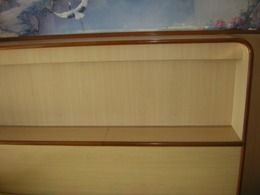
Picture of PCM-filled PVC furniture.
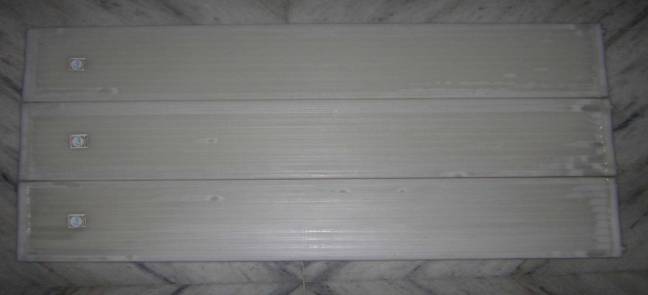
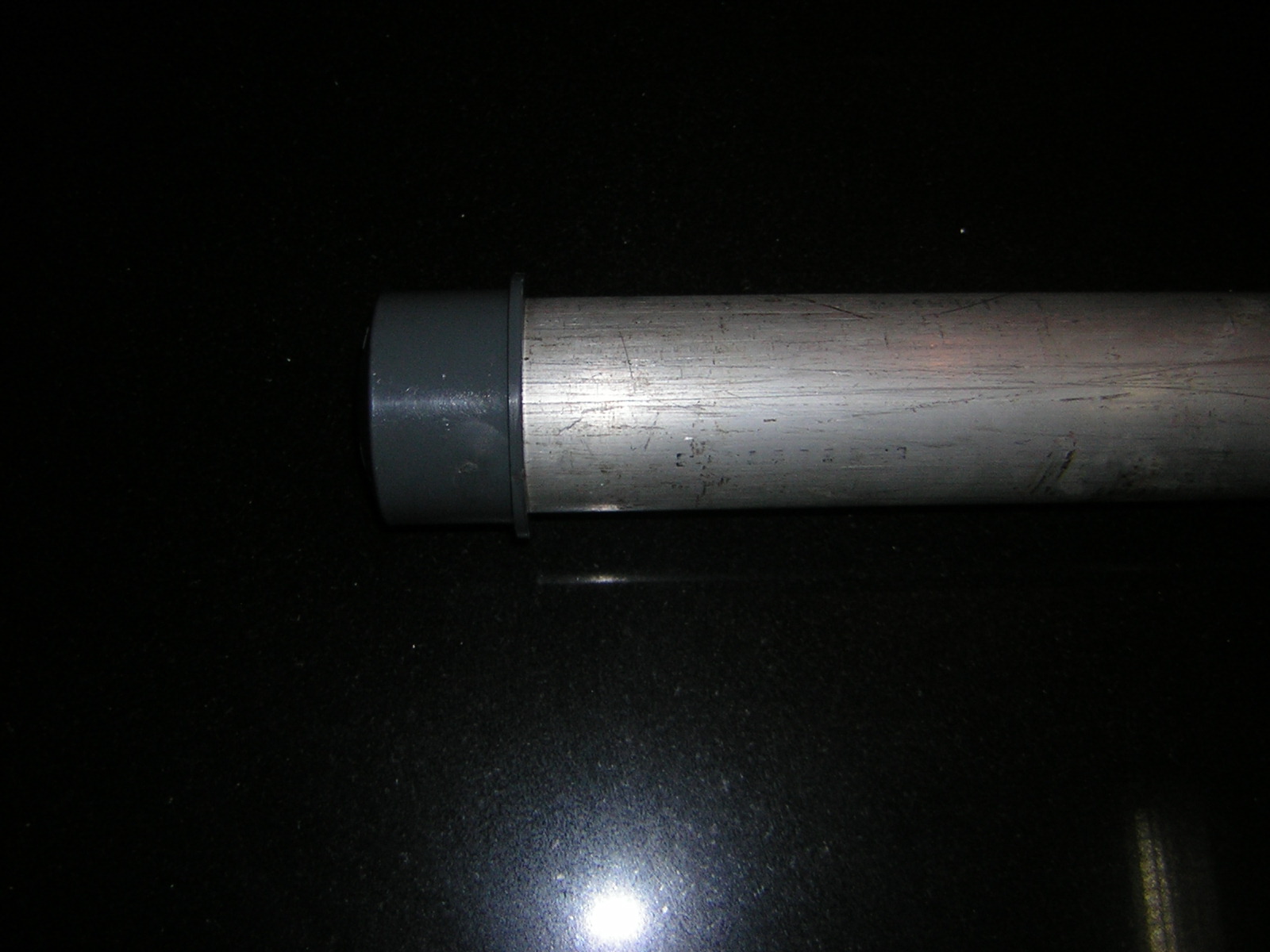
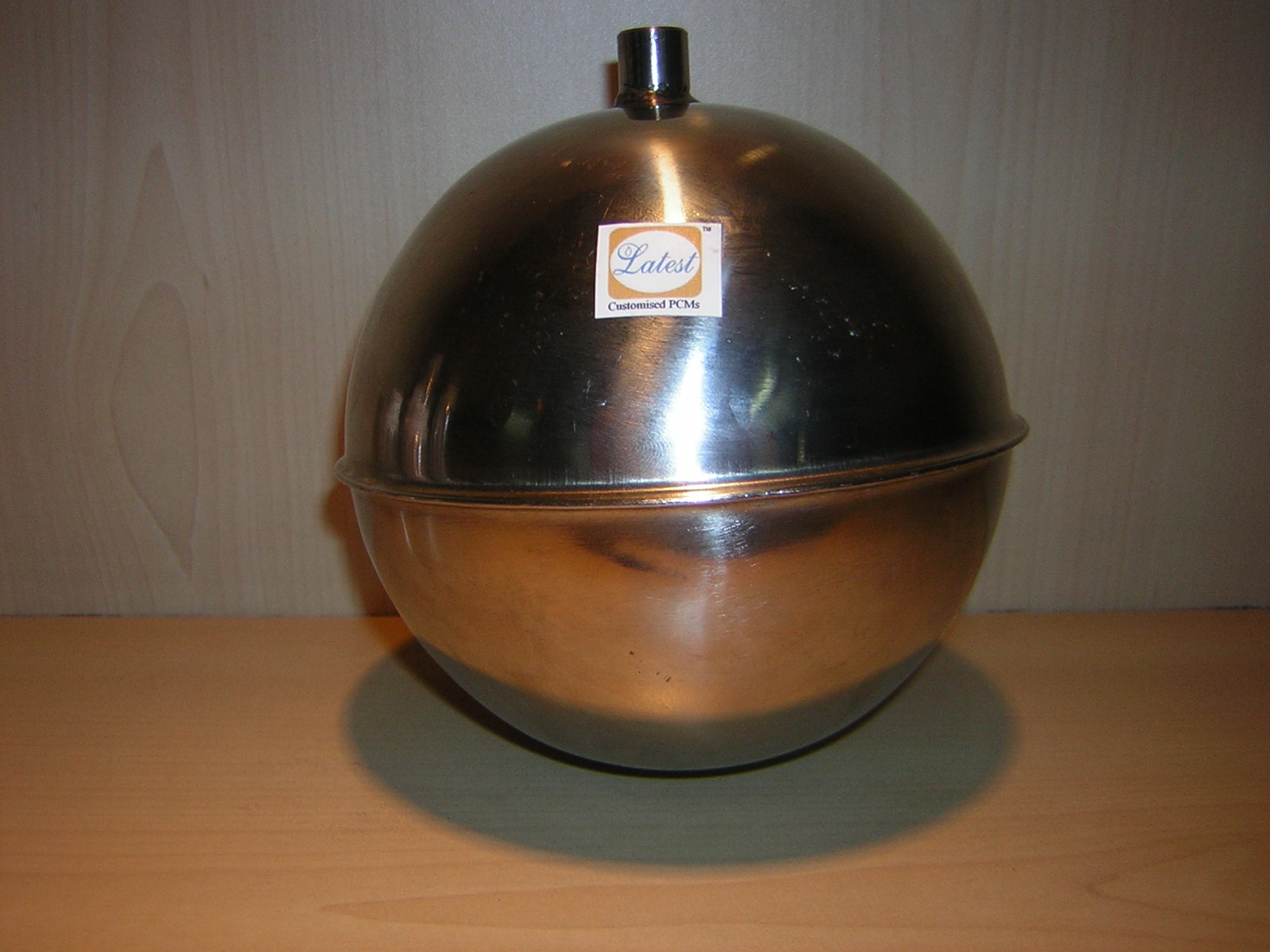
----- PCM filled Panels ------------- PCM filled Aluminum Pipes ----- S S Ball ------
Hermetically Sealed Profile of Any Size Like 16mm*160mm*1000mm OR 20mm*200mm*850mm or …..etc, offered in Polymer or Aluminum filled with desired Grade of PCM. We can give PCMs in Aluminum or Pet Bottles, HDPE or SS Balls or in Aluminum Sinks or in any container as per your choice.
Cold Storage, Shipping and Sundry Application:
Several Types of Packing can be custom made for cold storage and shipping application. Insulated Containers having back up of PCM of appropriate temperature (like -40oC or say +18oC) can be offered. As a demonstration, we have shown below a small size "PCM-backed Insulated Container". It has four PCM-filled profiles inserted in a special high-class insulated box. The box was kept for 30 days at 18oC by filling it with appropriate PCM. Containers of any size and shape can be tailor made.
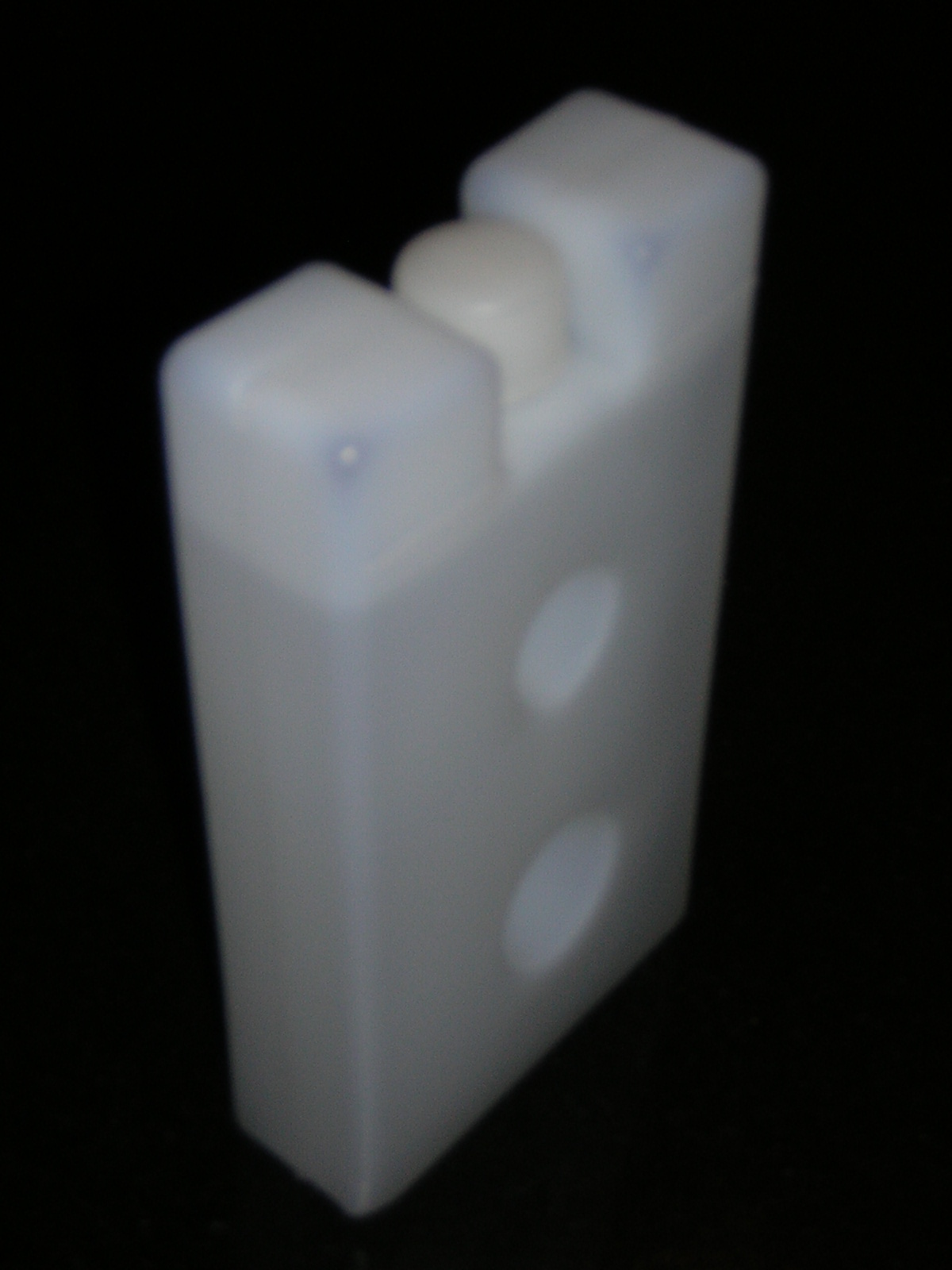
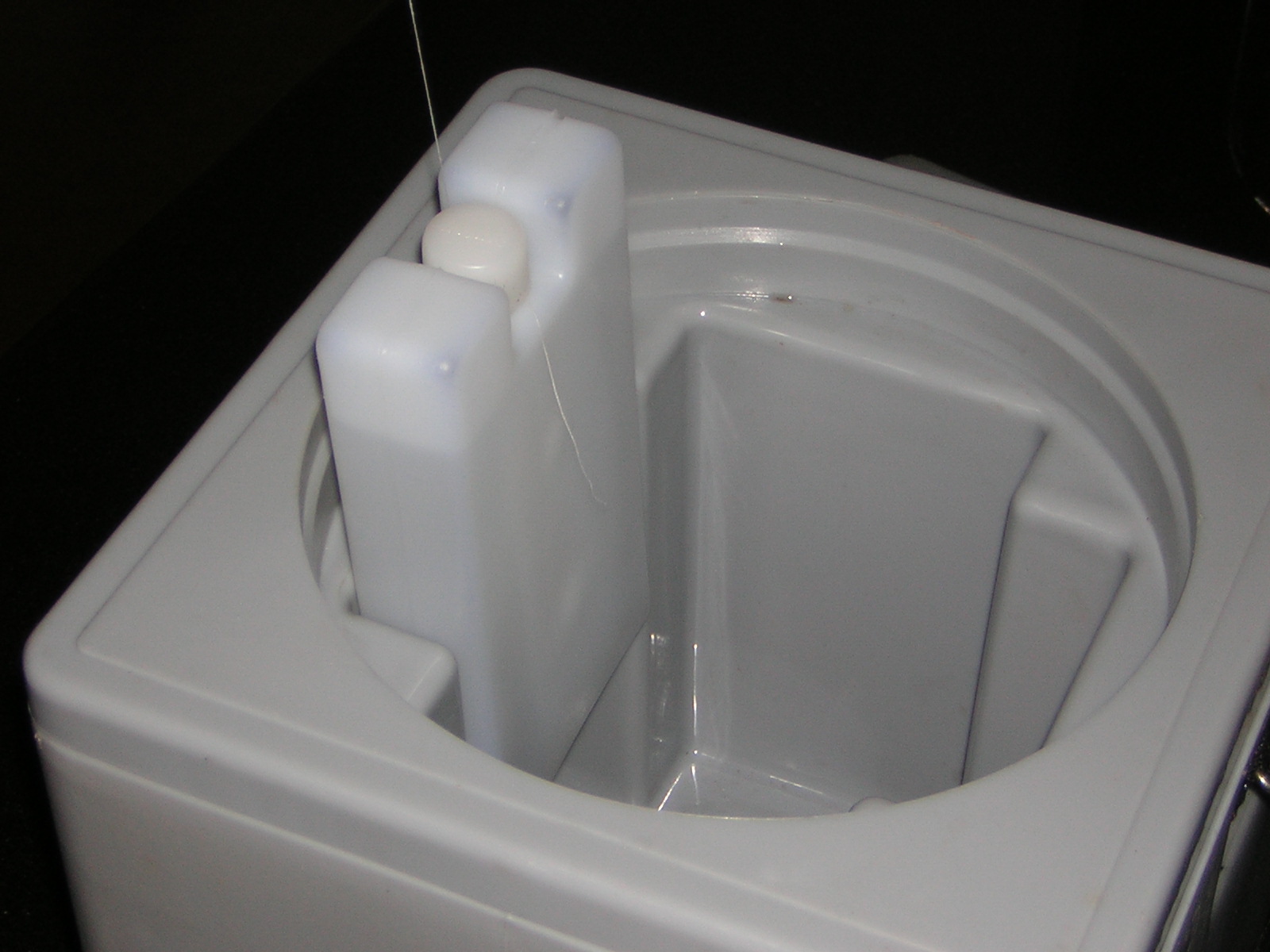
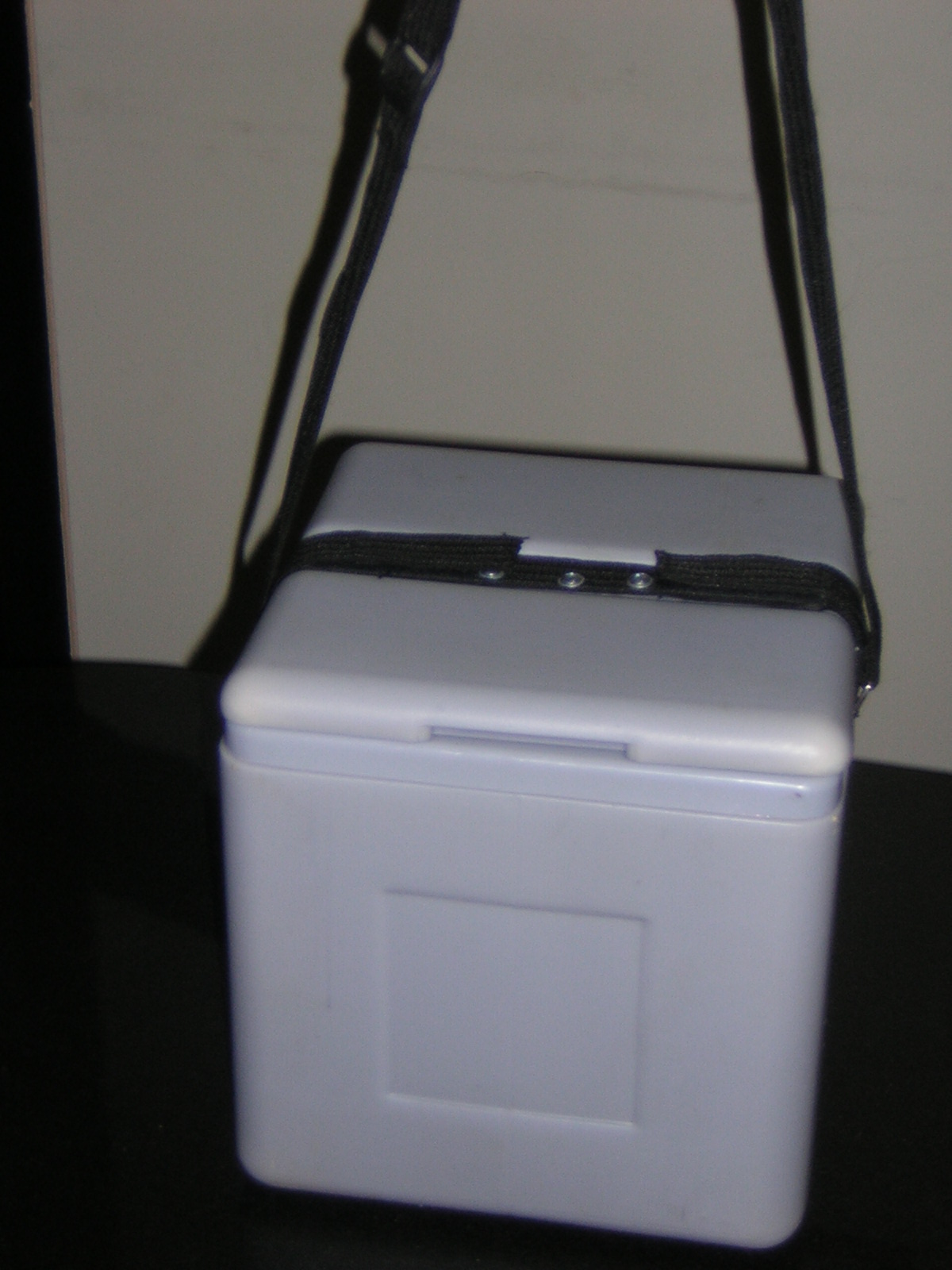
PCM-Filled Insulated Boxes for Transport of Medicine, Food, Live Culture, Human Organs.
PCM for Air Condition Manufacturers
Phase Change Material for Air Conditioner Manufacturers
PCM Energy P. Ltd
Mumbai 400 010, INDIA
TEL: 91-22-65290112
Current Date Time in India is GMT+5:30
Email: anmol@pcmenergy.com
Copyright and Usual Disclaimer is Applicable
Last updated: 19.04.2026
----- PCM filled Panels ------------------- PCM filled SS Ball -
Natural Air conditioning with PCM in Ceiling.
Renewable Energy PCM Cooled AC Office building in Netherlands.
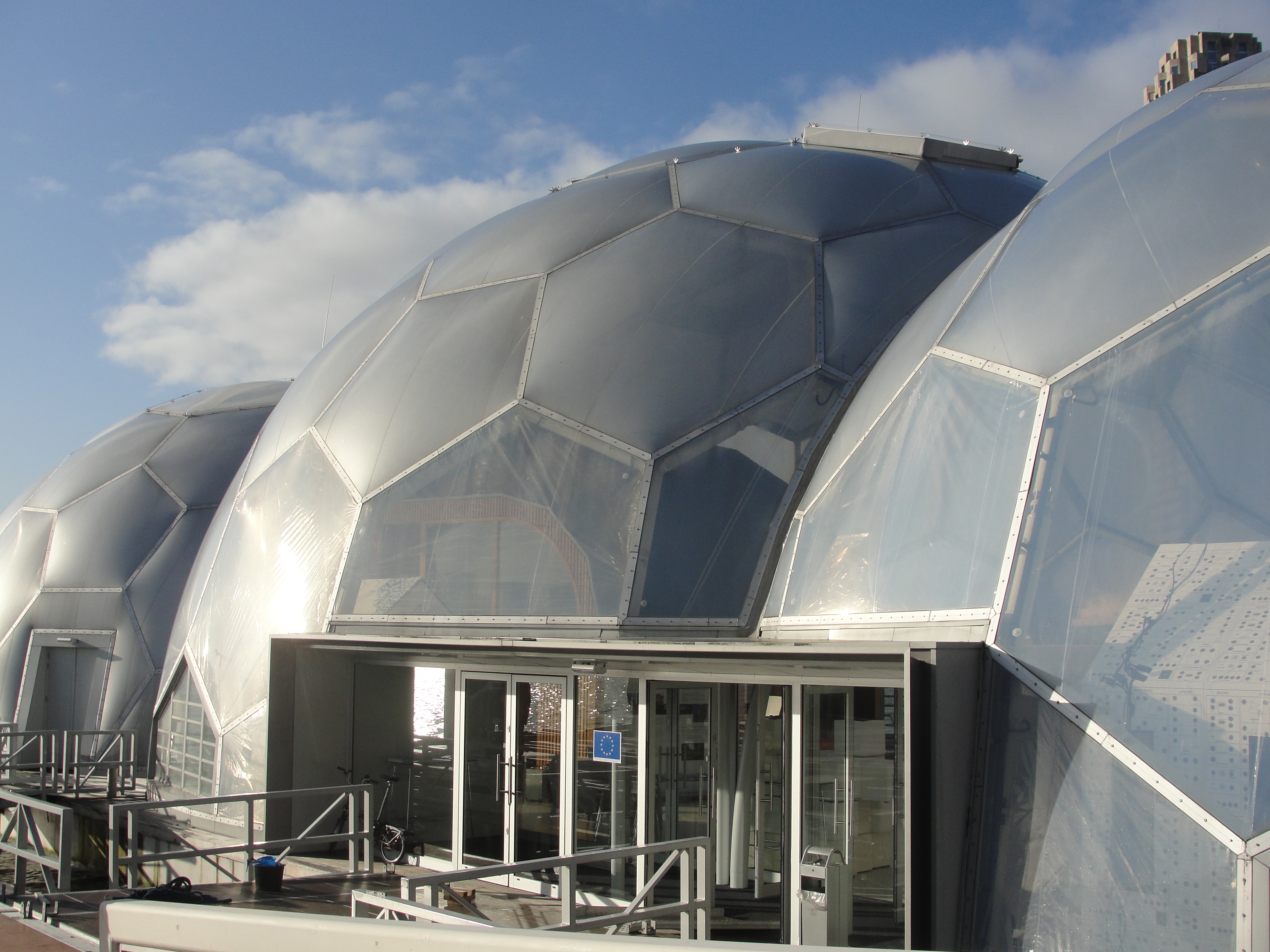
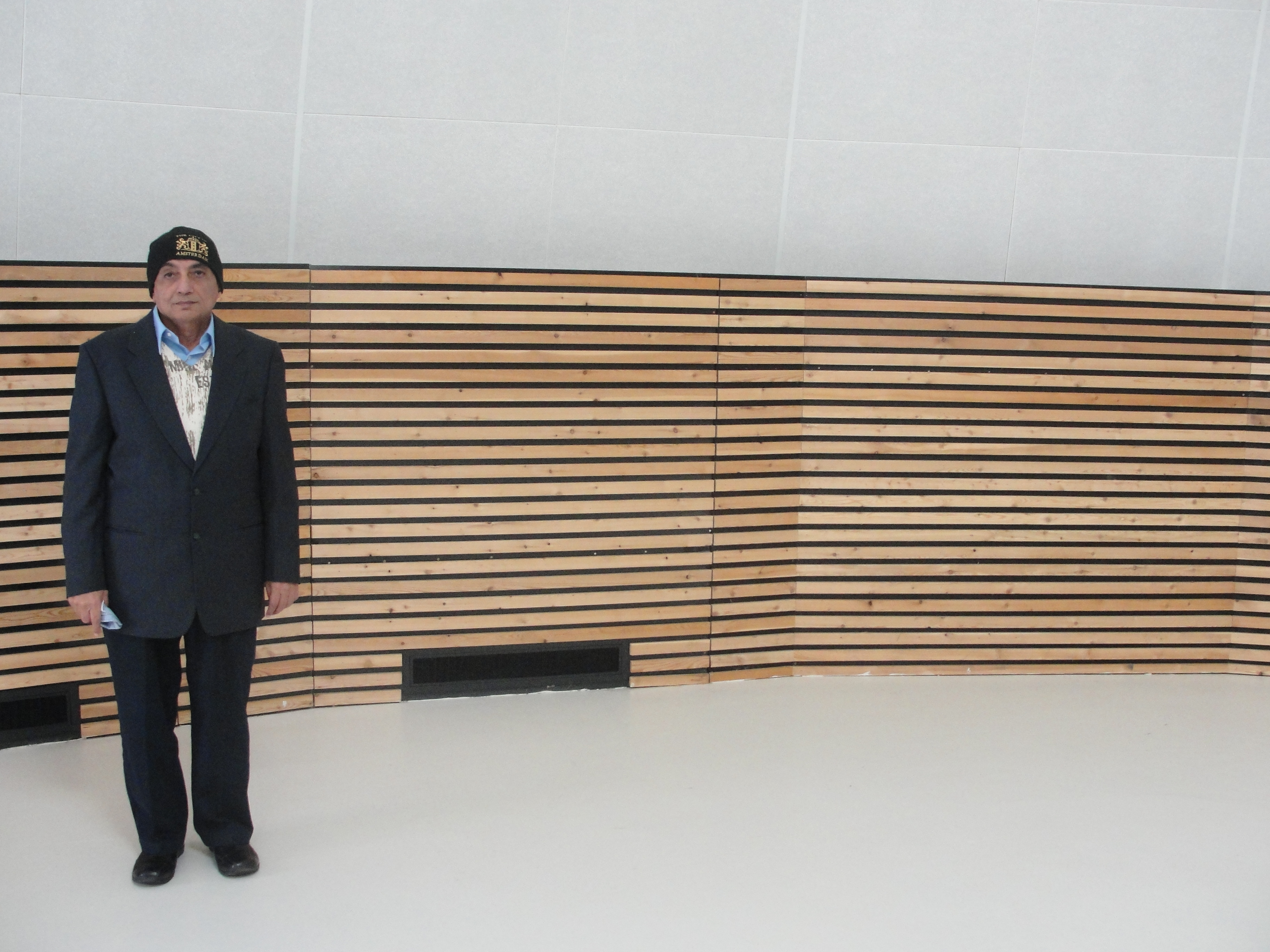
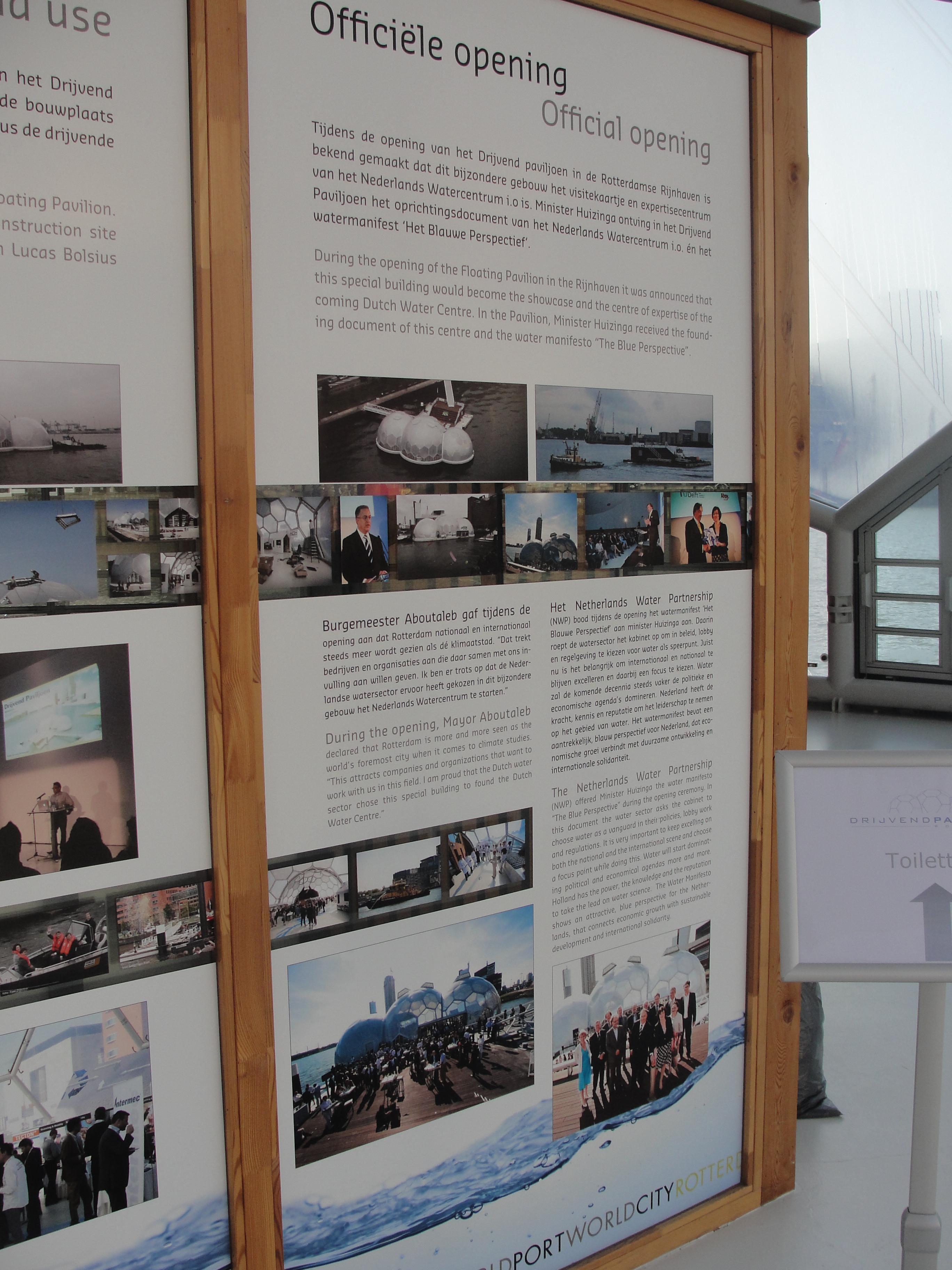
Floating Balls of Rotterdam cooled (Air Conditioned) by PCM.
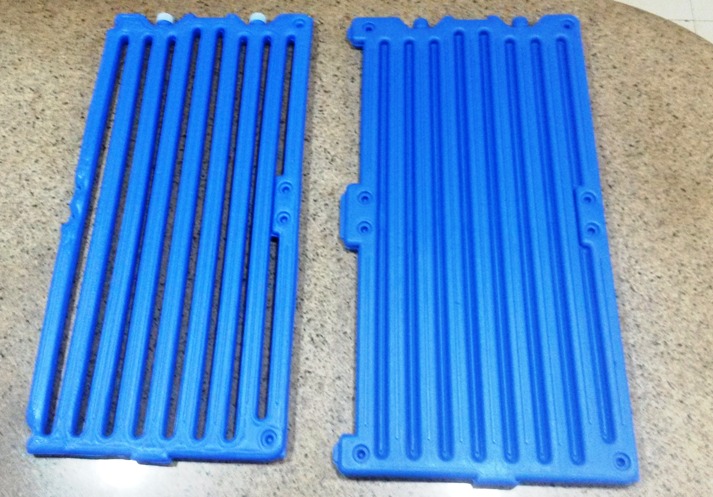
Heat Exchanger Stackable & Wall Mountable PCM-Filled Profiles
PCM Phase Change Material Suppliers & Exporters to USA (Representatives in Houston Texas & Chicago Illinois) Canada UAE Dubai & Europe South Africa Egypt Turkey Mexico Brazil Argentina Chile European areas like England UK Switzerland France Poland Italy Netherlands Sweden Spain Australia Korea etc.