 -
-  -
-  -
-  -
-  -
- 
PCM Energy P. Ltd
Customized PCMs
We have several Associated Units
ISO-9001 Certificate
"REACH" registered
General Products - AC Backup Phase Change Material - Encapsulation Method of PCM Phase Change Material Manufacturers - Telecom Shelters Phase Change Material - Doctor Says - Phase Change Material Air Conditioner at 21C or 29C
Phase Change Materials, PCM Manufacturers Building & Electronic Air Condition ..
T-series 18Cto29C: Phase Change Materials, PCM Latest TM 29T Brand with Melting Point 29°C and Latent Heat of fusion 175 KJoule/Kg or 260 KJoule/liter. Its best suited for Air-Condition Back-up to BT Shelter or Telecom Shelter. Temperatures from18°C to 29°C are used in Air Conditioning. Other M.P. grades are summarized in the link.
S-series 32Cto48C: Phase Change Material PCM Latest TM 36S Brand with Melting Point 36°C and Latent Heat of fusion 260 KJoule/Kg or 357 KJoule/liter. It is best suited for Air-Cooled Telecom Shelters. Other M.P. grades are summarized in the link.
Hot Pads and Solar Heating systems use our PCM Latest TM 58, melting at 58°C.
Electronic or Telecom Enclosure: PCM are widely used in Electronic or Telecom Enclosures (BT Shelters) is LatestTM29T for Air-condition AC Air Conditioning with PCM and you may also visit our page AC Backup by PCM or Phase Change LatestTM36S for Free Cooling. We also offer Polymer-based PCM-Filled Profiles Panels and Aluminum PCM-Filled Profiles or any other Container like Balls or Bottles or Heat Sinks and so on. We also supply Telecom Shelters and provide engineering services for Back-up Cooling in Existing and New Shelters. If your interest is only in PCM for Telecom Shelter then go to our Page Telecom Shelters PCM.
Freezer Salt: PCM used for maintaining the temperature at 0°C, you get it free; use tap water. Ask us for other target temperatures like 4°C, 7°C, 10°C, 15°C or minus 5°C, minus 30°C and so on.
We cannot help making a negative comment on the products offered by other brands. Most of the brands are offering Thermal salt 29 or PCM 29°C that freezes at less than 18oC, making them practically useless in tropical regions. The shelf life of some of the vendors is hardly 45-60 day, making its use by long distance importers almost impractical. Most of such vendors are not manufacturer of the major ingredients for the product but only compounder. Often, they are one-man-show manufacturers and quote fancy prices for the product. With the information technology to their aid, they make fancy web sites and manage to squeeze the buyers. We have six manufacturing units, owned and managed by family members and most of the ingredients are manufactured by us.
TECHNO-COMMERCIAL STATEMENT OF PCM PRODUCT T-series Latest™
| PCM Energy P. Ltd | PCM Latest™ |
| Product | Latest™29T also any other grade like Latest™18T, Latest™20T, Latest™22T, Latest™25T |
| Series | T-series Latest™ |
| Description | Viscous Semi-Solid near Phase Change Temperature |
| Appearance | Translucent |
| Base Material | Inorganic Salts |
| Phase Change Temperature | 28°-30°C |
| Sub Cooling | 2°C max |
| Specific Gravity | 1.48-1.50 |
| Latent Heat Practically | 175 Joules/g |
| Latent Heat Theoretical | 188 Joules/g |
| Spec. Heat | 2 Joules/g°C |
| Thermal Conductivity | 1Watt/m °C |
| Congruent Melting | Yes |
| Flammability | No |
| Hazardous | No |
| Thermal Stability | > 10000 cycles |
| Max. Operating Temperature | 100°C |
| Rates | Available on request |
T-series is the Latest in PCM technology, Generation-X. It is not degradable with time. It can be used in thicker layers greater than 1” (>25mm). This product has made the earlier PCMs obsolete.
For a Live-Site Trial of Back-up Air-conditioning with Thermal Salt Latest™29T visit our Bookmark on Live Site Trial in Telecom Shelters
Table of Cycle No. V/s Latent Heat & Sub Cooling for PCM Latest™29T
| Cycle No. | Latent Heat KJ/Kg & Sub-cooling in C |
| 100 | LH 196 KJ/Kg & Sub-cool 0.5C |
| 200 | LH 188 KJ/Kg & Sub-cool 1C |
| 300 | LH 188 KJ/Kg & Sub-cool 0.9C |
| 400 | LH 192 KJ/Kg & Subcool 0.8C |
| 500 | LH 185 KJ/Kg & Sub-cool 0.7C |
| 1000 | LH 178 KJ/Kg & Sub-cool 1C |
| 1500 | LH 172 KJ/Kg & Sub-cool 1.3C |
| 2000 | LH 175 KJ/Kg & Sub-cool 1.2C |
| 2500 | LH 178 KJ/Kg & Sub-cool 1.3C |
| 3000 | LH 170 KJ/Kg & Subcool 1.4C |
The Error in measurement of Latent Heat can be up to 5% and The Thermometer Sensor can be off by 0.5°C
TECHNO-COMMERCIAL STATEMENT OF PCM PRODUCT S-SERIES LATEST™
| PCM Energy P. Ltd. | PCM Latest™ |
| Product | Latest™36S also other grades like Latest™32S, Latest™34S, Latest™48S |
| Series | S-series Latest™ |
| Description | Viscous Semi-Solid near Phase Change Temp. |
| Appearance | Cream or Gray |
| Base Material | Inorganic Salts |
| Sub Cooling @ 1000 cycles | Small |
| Specific Gravity | 1.45 |
| Latent Heat Theoretical | 260 Joules/g - |
| Latent Heat Practical | >200 Joules/g - >220 Joules/g - >230 Joules/g - >230 Joules/g |
| Spec. Heat | 2 Joules/g oC |
| Thermal Conductivity | 0.6Watt/m oC |
| Congruent Melting | Yes |
| Flammability | No |
| Hazardous | No |
| Thermal Stability | > 10000 cycles |
| Max. Operating Temp. | 100°C |
| Rates | Available on request |
Latest TM 32S, Latest™ 34S, Latest™ 45S 48s etc. salts are similar to Latest™ 36S.
Building Air Conditioning with Latest™20T to Latest™29T Phase Change Material PCM
For maintaining a Room Temperature at 20oC or 29oC Click visit Phase Change Material Air Conditioner at 20C or 29C
For maintaining a Green House at 16oC Click visit our book-mark at Green House Cooling
For Day-Night Temperature Balancing at 24oC (Free AC) click on AC Back UP
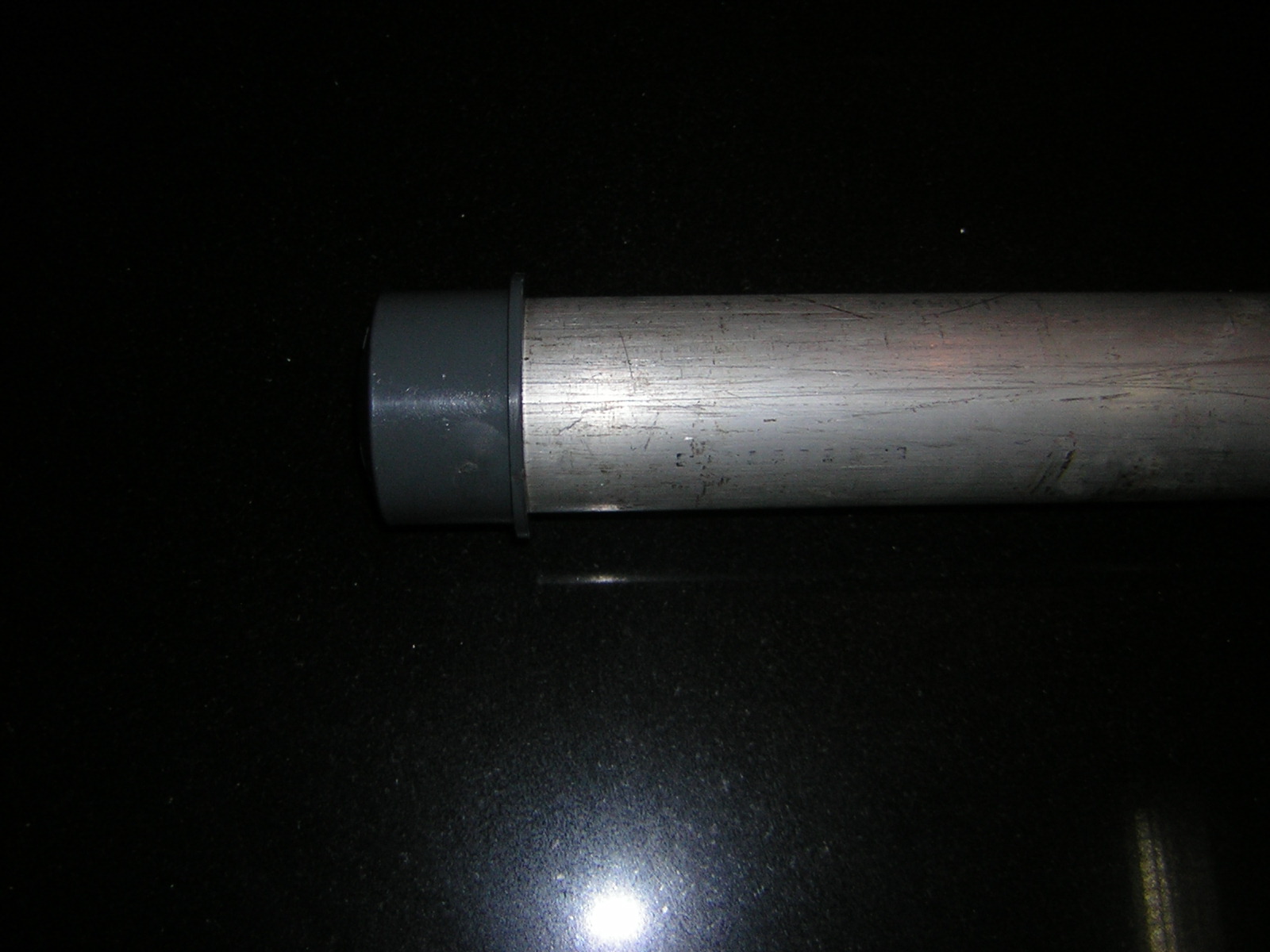
------ PCM filled Panels ------------- PCM filled Aluminum Pipes
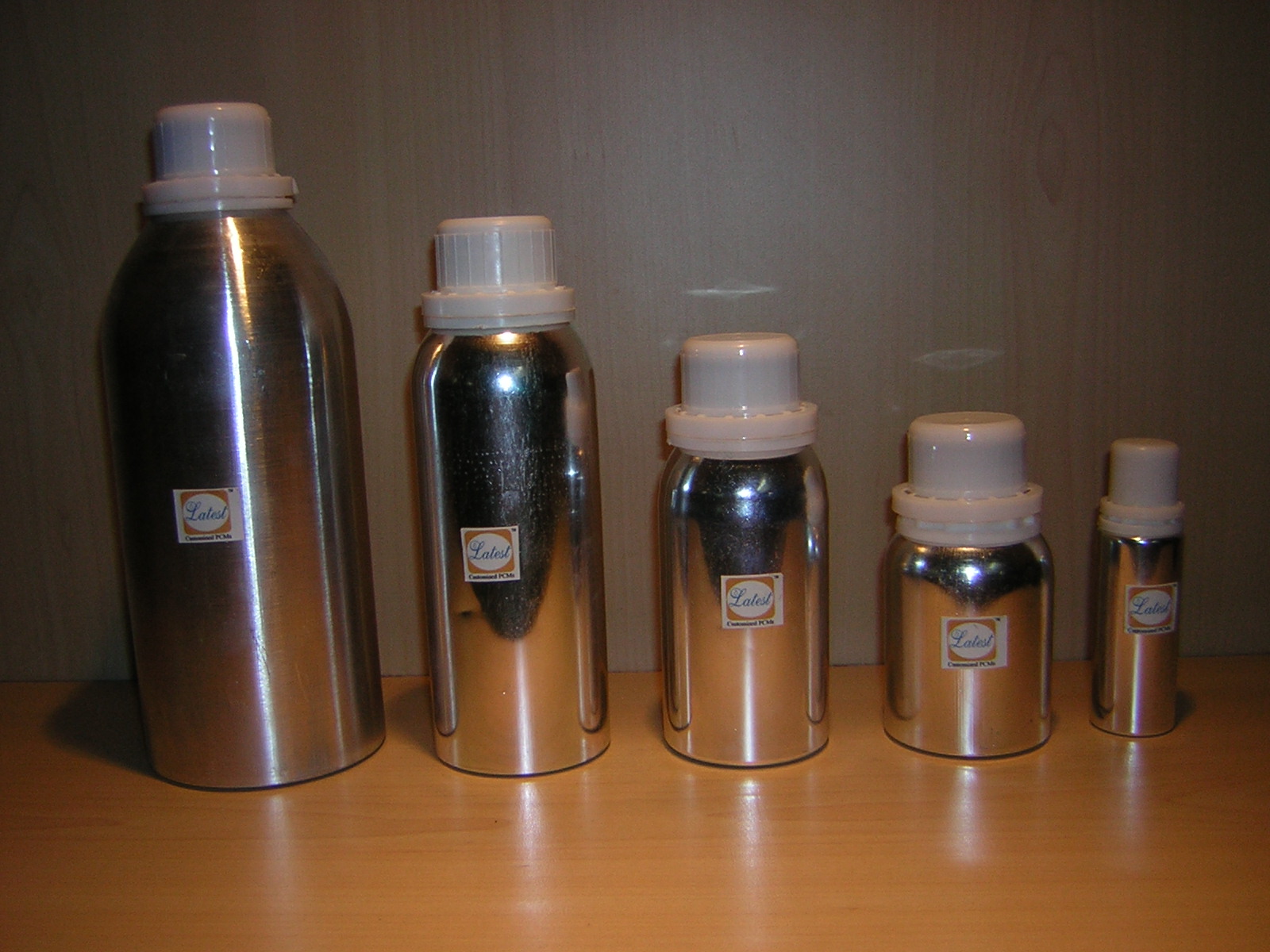
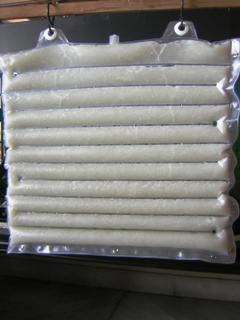
Aluminum Bottles --- HDPE Balls --- S S Balls --- Jacket
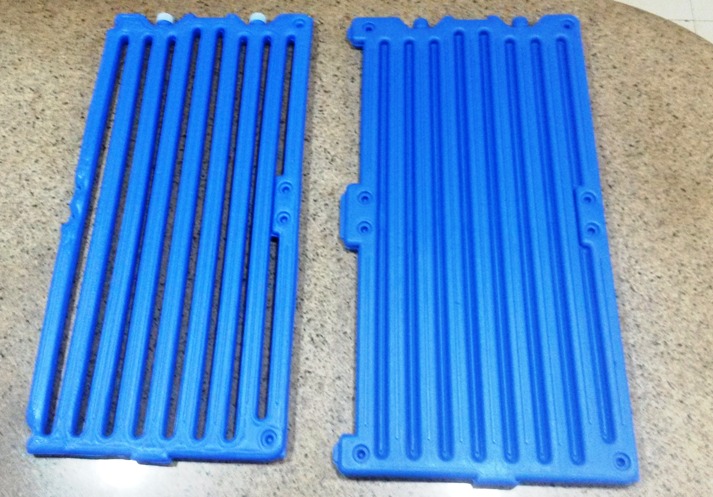
Heat Exchanger Stackable & Wall Mountable PCM-Filled Profiles
Hermetically Sealed Profile of Any Size Like 16mm*160mm*1000mm OR 20mm*200mm*850mm or …..etc offered in Polymer or Aluminum filled with desired Grade of PCM. We can give PCMs in Aluminum or Pet Bottles, HDPE or SS Balls or in Aluminum Sinks or in any container as per your choice.
Cold Storage, Shipping and Sundry Application:
Several Types of Packing can be custom made for cold storage and shipping application. Insulated Containers having back up of PCM of appropriate temperature (like -40oC or say +18oC) can be offered. As a demonstration, we have shown below a small size "PCM backed Insulated Container". It has four PCM filled profiles inserted in a special high-class insulated box. The box was kept for 30 days at 18oC by filling it with appropriate PCM. Containers of any size and shape can be tailor made.
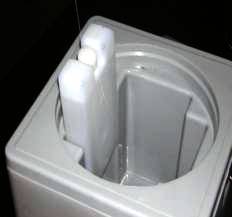
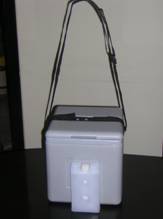
PCM Filled Insulated Boxes for Transport of Medicine, Food, Live Culture, Human Organs etc. are available in several sizes.
PCM - Phase Change Materials Manufacturers
PCM Energy P. Ltd
Mumbai 400 010, INDIA
TEL: 91-22-65290112
Current Date Time in India is GMT+5:30
Email: anmol@pcmenergy.com
Copyright and Usual Disclaimer is Applicable
Last updated: 19.04.2026
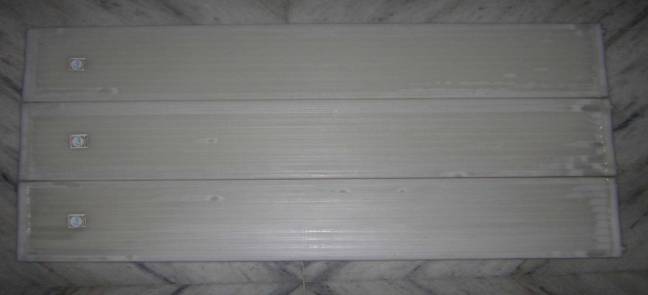
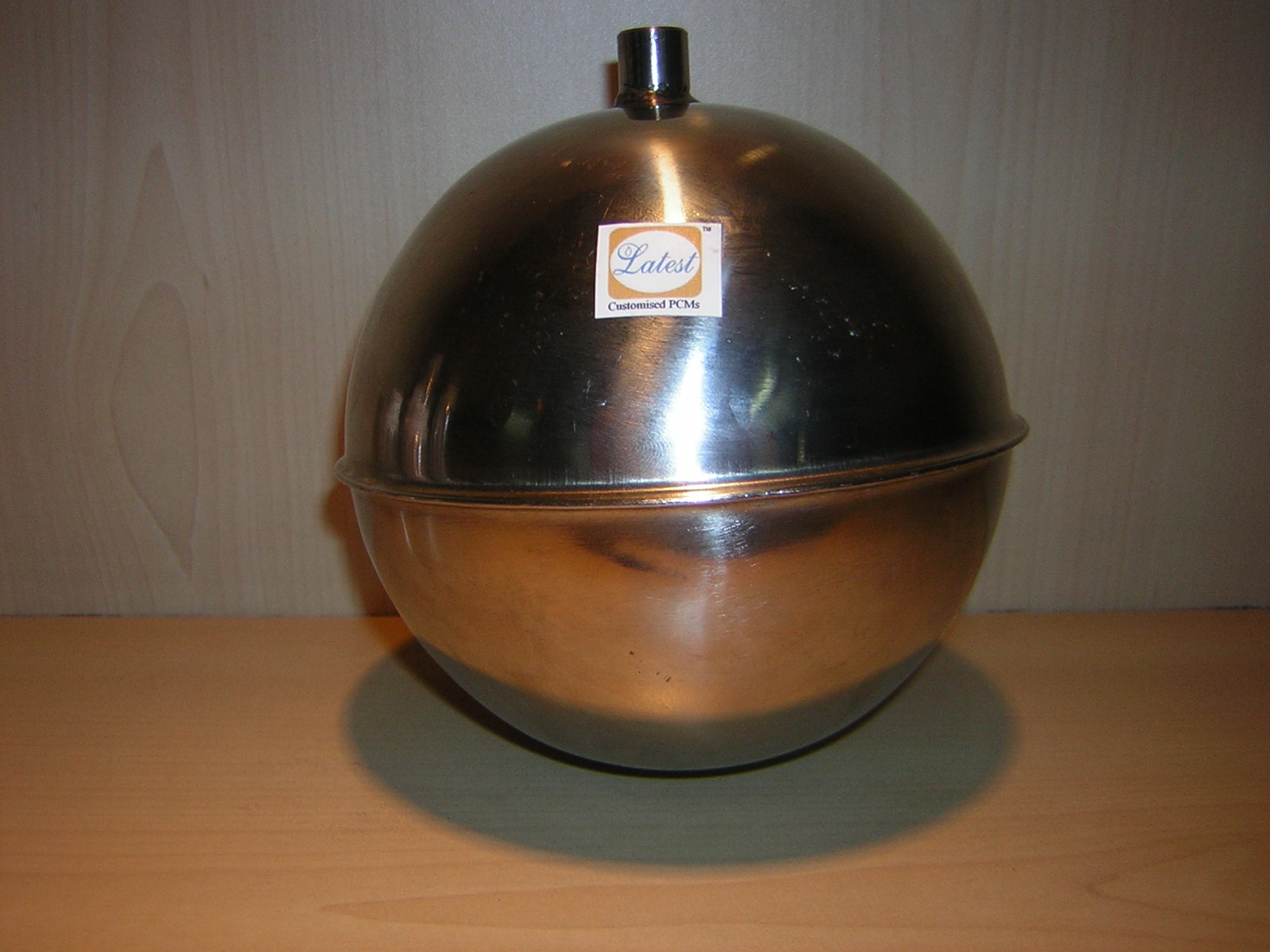
----- PCM filled Panels ------------------- PCM filled SS Ball -
Natural Air conditioning with PCM in Ceiling.
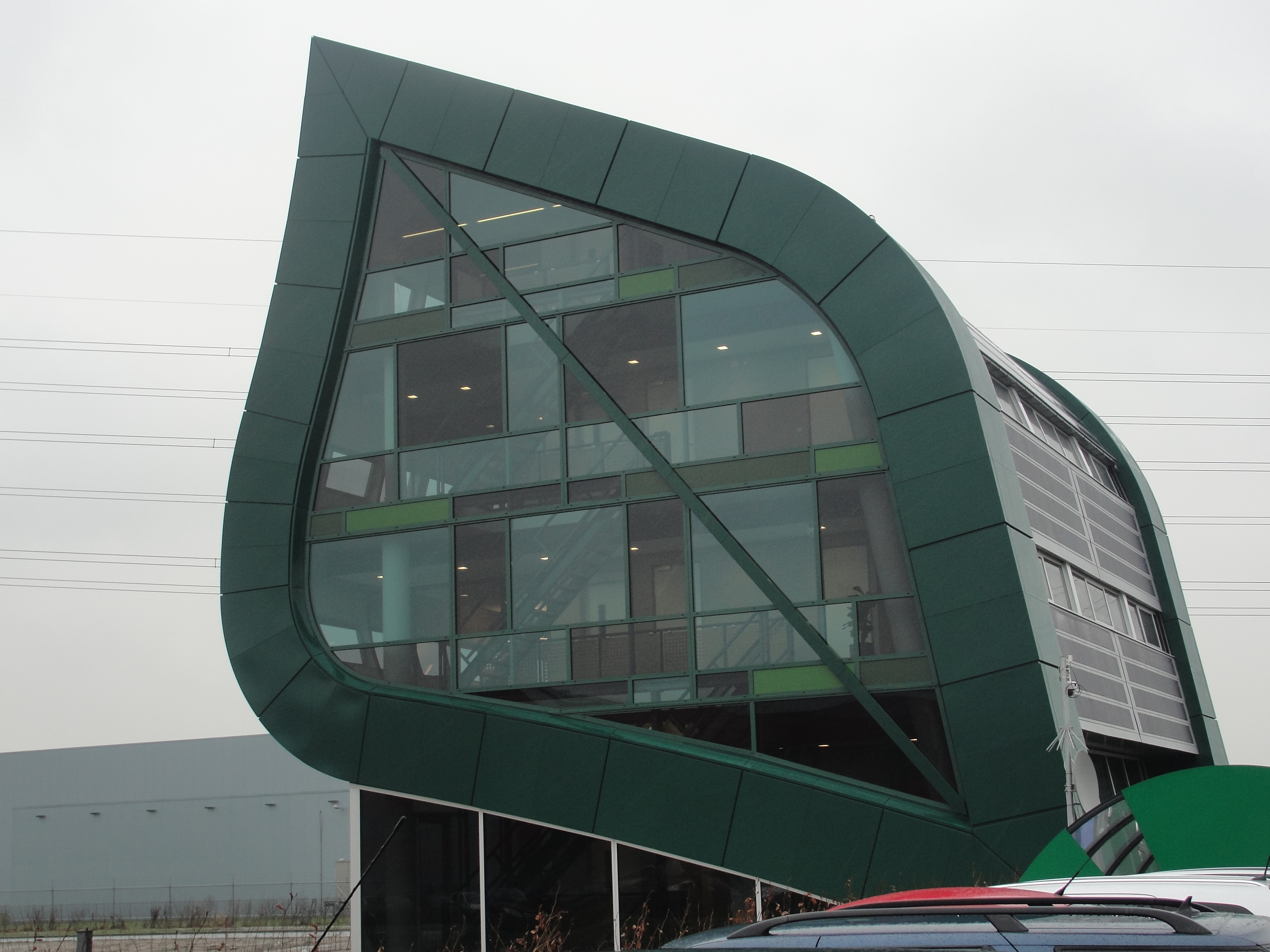
Renewable Energy PCM Cooled AC Office building in Netherlands.
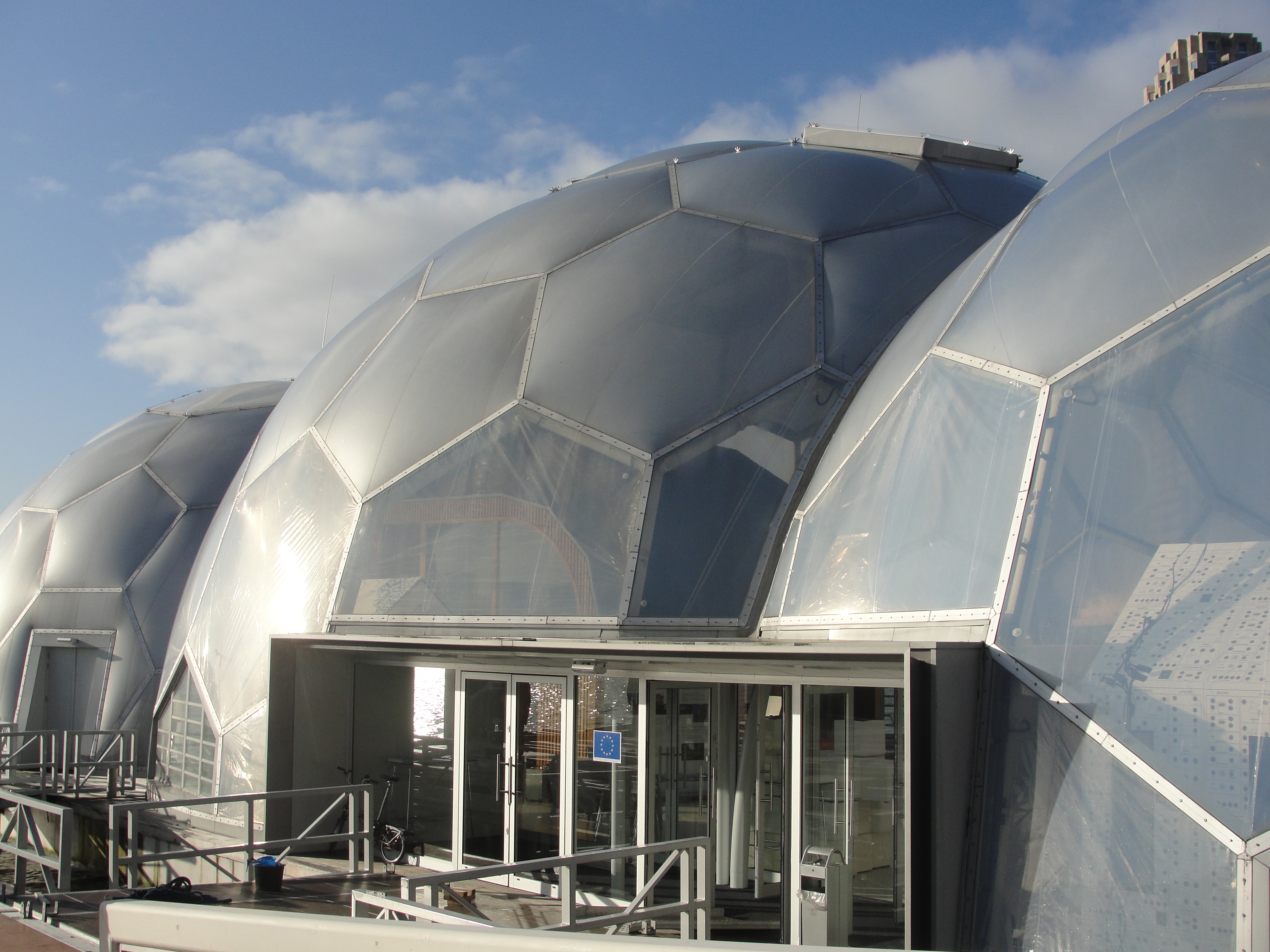
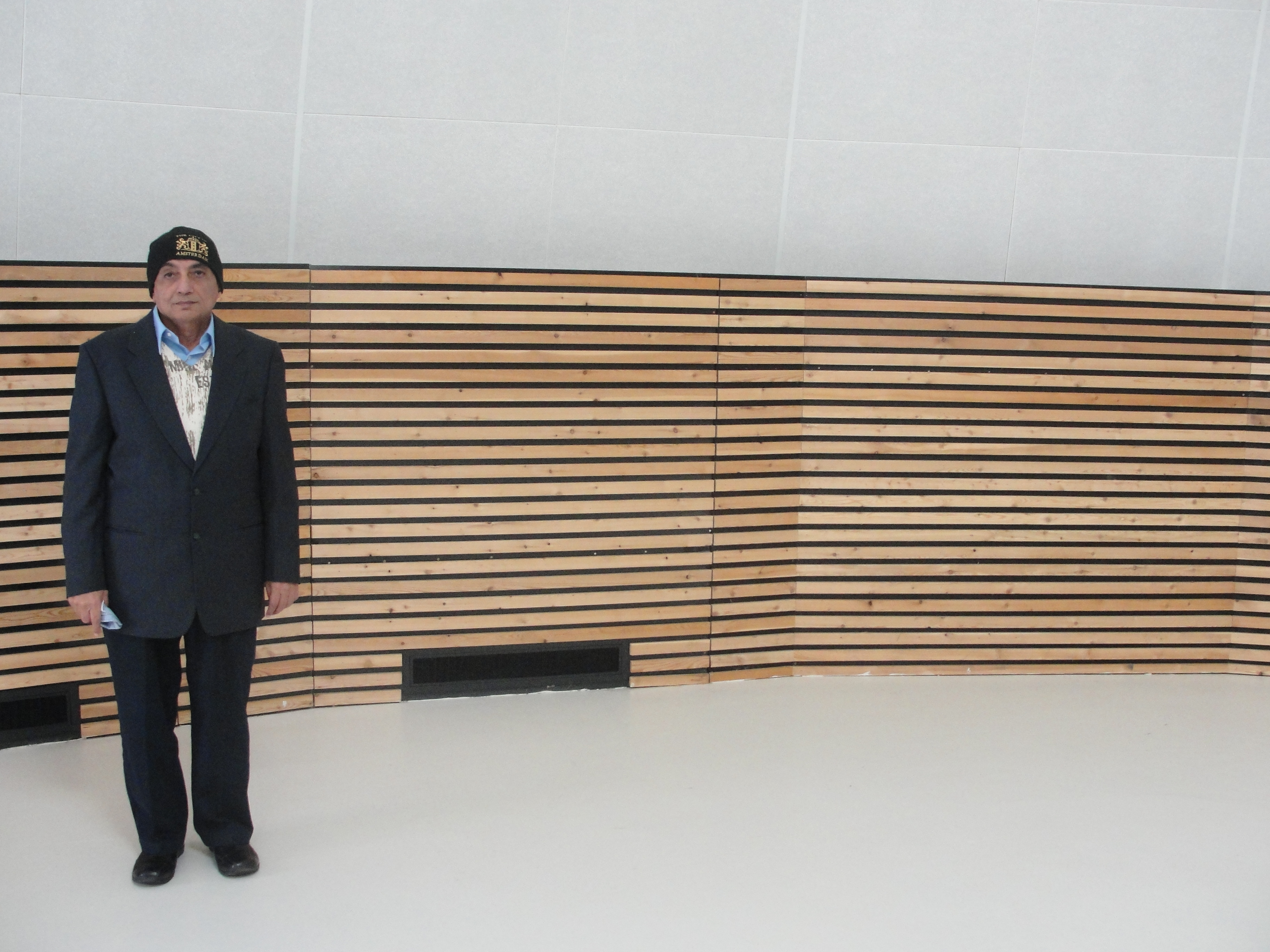
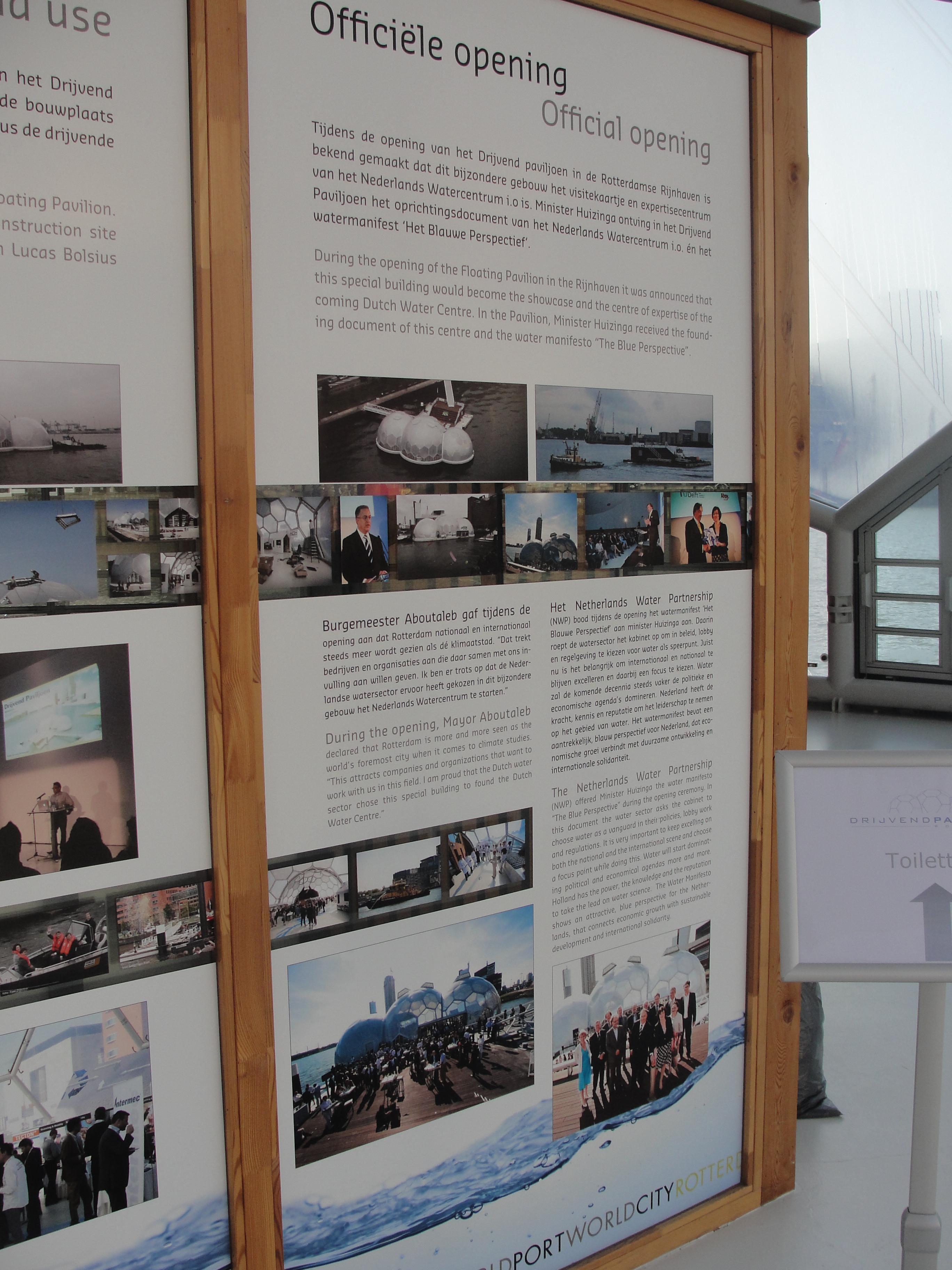
Floating Balls of Rotterdam cooled (Air Conditioned) by PCM.
Heat Exchanger Stackable & Wall Mountable PCM-Filled Profiles
PCM Phase Change Material Suppliers & Exporters to USA (Representatives in Houston Texas & Chicago Illinois) Canada UAE Dubai & Europe South Africa Egypt Turkey Mexico Brazil Argentina Chile European areas like England UK Switzerland France Poland Italy Netherlands Sweden Spain Australia Korea etc.