 -
-  -
-  -
-  -
-  -
- 
PCM Energy P. Ltd

Customized PCMs
We have several Associated Units
ISO-9001 Certificate
"REACH" registered
General Products - AC Backup Phase Change Material - Encapsulation Method of PCM Phase Change Material Manufacturers - Telecom Shelters Phase Change Material - Doctor Says - Phase Change Material Air Conditioner at 21C or 29C
Phase Change Material AC Electronics Cooling Green House Free Telecom etc.
T-series 18Cto29C: Phase Change Material, PCM LatestTM Brand with Melting Point 29°C and Latent Heat of fusion 170 K.Joule/Kg or 255 K.Joule/liter. It is best suited for Air-Condition Back-up to BT Shelter or Telecom Shelter. Other M.P. grades are summarized in the link.
TECHNO-COMMERCIAL STATEMENT OF PCM PRODUCT T-series Latest™| PCM Energy P. Ltd | PCM Latest™ |
| Product | Latest™29T also any other grade like Latest™18T, Latest™20T, Latest™22T, Latest™25T |
| Series | T-series Latest™ |
| Description | Viscous Semi-Solid near Phase Change Temperature |
| Appearance | Translucent |
| Base Material | Inorganic Salts |
| Phase Change Temperature | 28°-30°C |
| Sub Cooling | 2°C max |
| Specific Gravity | 1.48-1.50 |
| Latent Heat Practically | 175 Joules/g |
| Latent Heat Theoretical | 188 Joules/g |
| Spec. Heat | 2 Joules/g°C |
| Thermal Conductivity | 1Watt/m °C |
| Congruent Melting | Yes |
| Flammability | No |
| Hazardous | No |
| Thermal Stability | > 10000 cycles |
| Max. Operating Temperature | 100°C |
| Rates | Available on request |
T-series is the Latest in PCM technology, Generation-X. It is not degradable with time. It can be used in thicker layers greater than 1” (>25mm). This product has made the earlier PCMs obsolete.
T-series is the Latest in PCM technology, Generation-X. It is not degradable with time. It can be used in thicker layers greater than 1” (> 25mm). This product has made the earlier PCMs obsolete. Latest™ 25T, Latest™ 20T, Latest™ 18T salts are similar to Latest™ 29T.
Table of Cycle No. V/s Latent Heat & Sub Cooling for PCM Latest™29T
| Cycle No. | Latent Heat KJ/Kg & Sub-cooling in C |
| 100 | LH 196 KJ/Kg & Sub-cool 0.5C |
| 200 | LH 188 KJ/Kg & Sub-cool 1C |
| 300 | LH 188 KJ/Kg & Sub-cool 0.9C |
| 400 | LH 192 KJ/Kg & Subcool 0.8C |
| 500 | LH 185 KJ/Kg & Sub-cool 0.7C |
| 1000 | LH 178 KJ/Kg & Sub-cool 1C |
| 1500 | LH 172 KJ/Kg & Sub-cool 1.3C |
| 2000 | LH 175 KJ/Kg & Sub-cool 1.2C |
| 2500 | LH 178 KJ/Kg & Sub-cool 1.3C |
| 3000 | LH 170 KJ/Kg & Subcool 1.4C |
The Error in measurement of Latent Heat can be up to 5% and The Thermometer Sensor can be off by 0.5°C
Phase Change Materials (PCMs) or Thermal Salts are "latent" thermal storage materials. They use chemical bonds to store and release heat. The thermal energy transfer occurs when a material changes from a solid to a liquid or from a liquid to a solid. This is called a change in state or "phase." Initially, these solid-liquid Thermal Salts perform like conventional storage materials; their temperature rises as they absorb solar heat. Unlike conventional heat storage materials, when PCMs reach the temperature at which they change phase (their melting point), they absorb large amounts of heat without getting hotter. When the ambient temperature in the space around the PCM material drops, it solidifies, releasing its stored latent heat. PCMs absorb and emit heat while maintaining a nearly constant temperature. Within the human comfort and electronic-equipment tolerance range of 20°C to 35°C, latent thermal storage materials are very effective. The main applications for Thermal Salts are when space restrictions limit larger thermal storage units in direct gain or sunspace passive solar systems. PCMs may be used in Thermal Enclosures like Telecom Chambers BTS or BT Shelters or solar domestic hot water heating or passive solar space heating/cooling systems.
Glauber's salt, Soda Ash, Sodium acetate and paraffin wax are the most commonly used PCMs or Thermal Salts in solar heating systems. Although these compounds are fairly inexpensive, the packaging and processing necessary to get acceptable performance from them is complicated and costly. They are not offering a reliable pattern of releasing heat as the chemicals in these Thermal Salts separate and stratify when in their liquid state. These PCMs have not always re-solidified properly. When temperatures dropped, they did not completely solidify, reducing their capacity to store latent heat. These problems have been addressed by packaging phase change materials in thin or shallow containers, and by adding thickening and clumping agents. Many salt hydrate PCMs have the disadvantage that during extraction of stored heat the material super-cools before freezing. This reduces the utility of the materials and if too severe, it can completely prevent heat recovery. They lose their heat storage property after some cycles. These types of PCMs, however, compare unfavorably with the newer generation of low-cost, highly efficient PCMs. Researchers now label these older compounds as "limited utility" PCMs. Phase Change Materials perform best in containers that have a depth of one inch (25.4 millimeters). However, our T-Series Latest™ PCMs have defied this restriction. The packaging material should conduct heat well; and it should be durable enough to withstand frequent changes in the storage material's volume as phase changes occur. It should also restrict the passage of water through the walls, so the materials will not dry out. Packaging must also resist leakage and corrosion. Aluminum, steel and polyethylene are common packaging materials.
Thermal Salt Latest ™ 29T
Our Thermal Salt Latest™29T is a mixture of several ingredients. Most of these items are manufactured by us or by our sister concerns. Its properties are as under:
Specific Gravity: 1.5
Freezing Point: 28°C
Melting Point: 29°C
Latent Heat of Fusion: 175 K.Joule/Kg (40 K. Cal/Kg). 255 K.J/ltr (60000 K.Cal/Cu.m)
*Most manufacturers report the heat of fusion in a temperature range, like 20°C to 35°C. The specific heat of PCM in this range will get added to the values. For this temperature range
*Latent Heat of Fusion: 210 K.Joule/Kg (50 K. Cal/Kg).
Shelf Life: Infinite
Max. Operating Temp.: 100°C
We cannot help making a negative comment on the products offered by other brands. Most of the brands are offering Thermal salt 29 that freezes at less than 18°C, making them practically useless in tropical regions. The shelf life of some of the vendors is hardly 45-60 day, making its use by log distance importers almost impractical. Most of such vendors are not manufacturer of the major ingredients but only compounders. Often, they are One-man-show manufacturers and quote fancy prices for the product and demand a fortune for a sample. With the information technology to their aid, they make fancy web sites and manage to squeeze the buyers. We have six manufacturing units, owned and managed by family members and most of the ingredients are manufactured by us.
PCM Manufacturers
Phase Change Material Manufacturers
PCM Energy P. Ltd
Mumbai 400 010, INDIA
TEL: 91-22-23770100, 23774610, 23726950, 23723564. FAX: 91-22-23728264
Current Date Time in India is GMT+5:30
Email: anmol@pcmenergy.com
Copyright and Usual Disclaimer is Applicable
Last updated: 19.06.2025
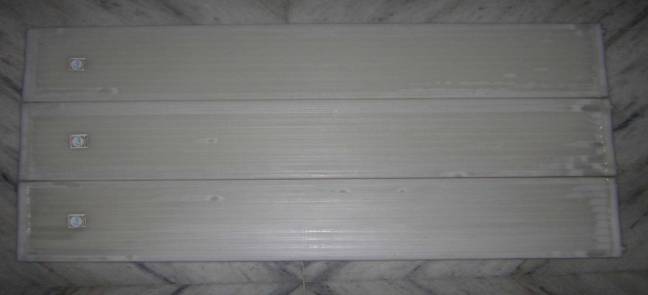
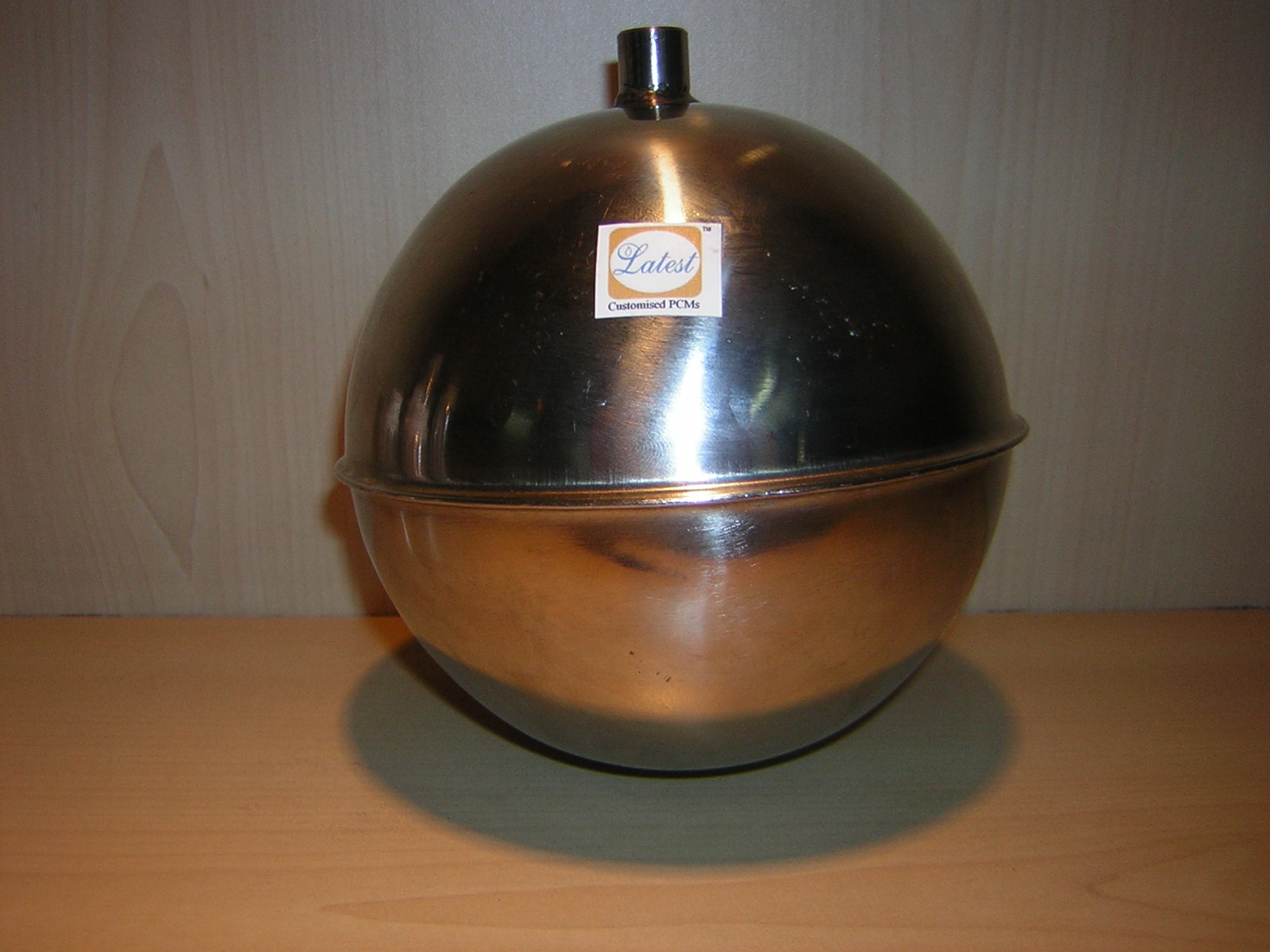
----- PCM filled Panels ------------------- PCM filled SS Ball -
Natural Air conditioning with PCM in Ceiling.

Renewable Energy PCM Cooled AC Office building in Netherlands.
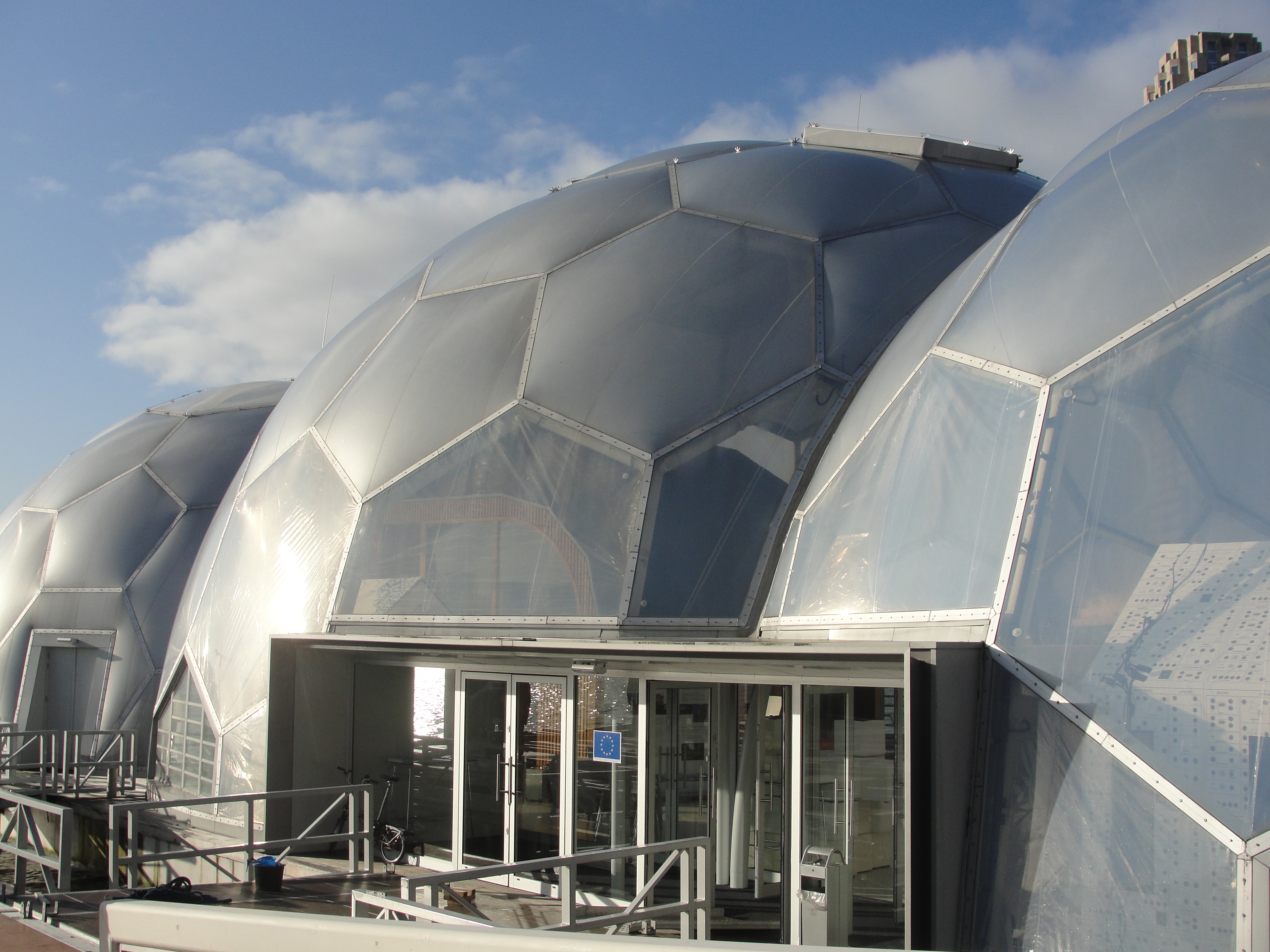

Floating Balls of Rotterdam cooled (Air Conditioned) by PCM.
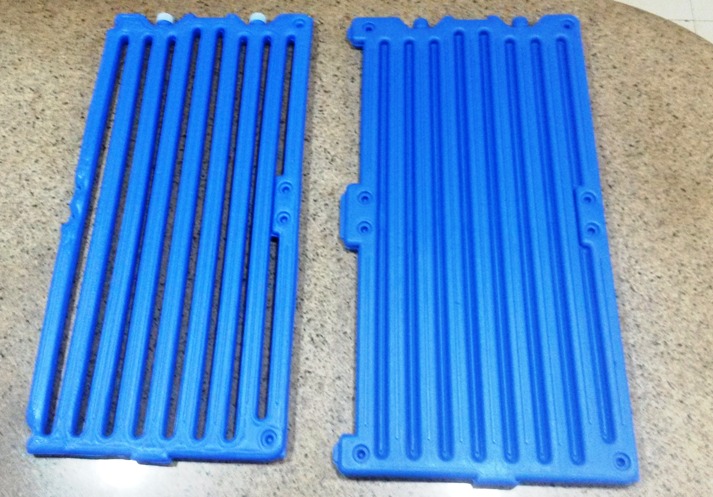
Heat Exchanger Stackable & Wall Mountable PCM-Filled Profiles
If you want your work to be done well, then go to a busy man.
The other one has no time.
PCM Phase Change Material Suppliers & Exporters to USA (Representatives in Houston Texas & Chicago Illinois) Canada UAE Dubai & Europe South Africa Egypt Turkey Mexico Brazil Argentina Chile European areas like England UK Switzerland France Poland Italy Netherlands Sweden Spain Australia Korea etc.